The Merseburg Spells

CA$35.00
Only 7 available

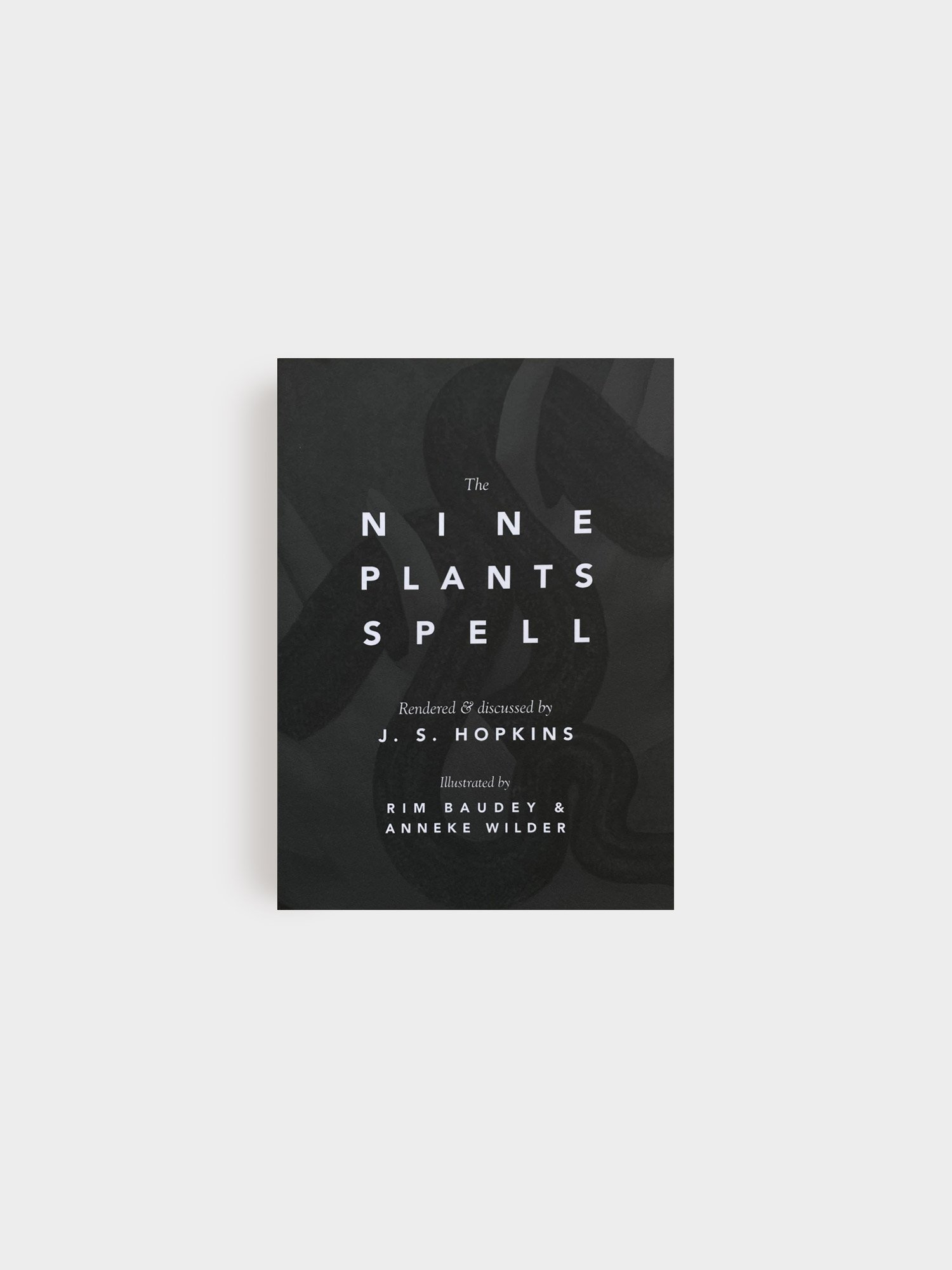
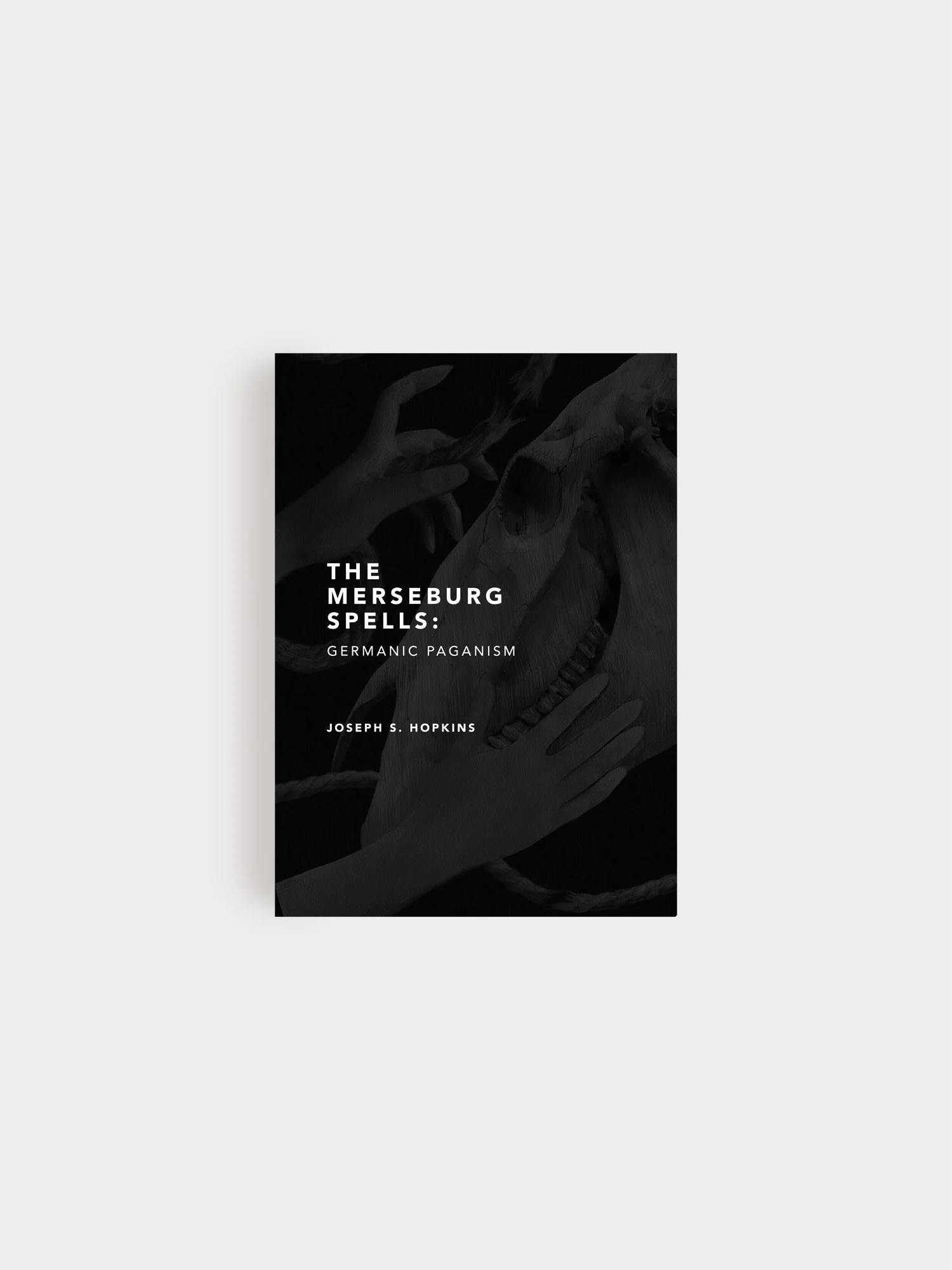
The Merseburg Spells: Germanic Paganism

By J. S. Hopkins

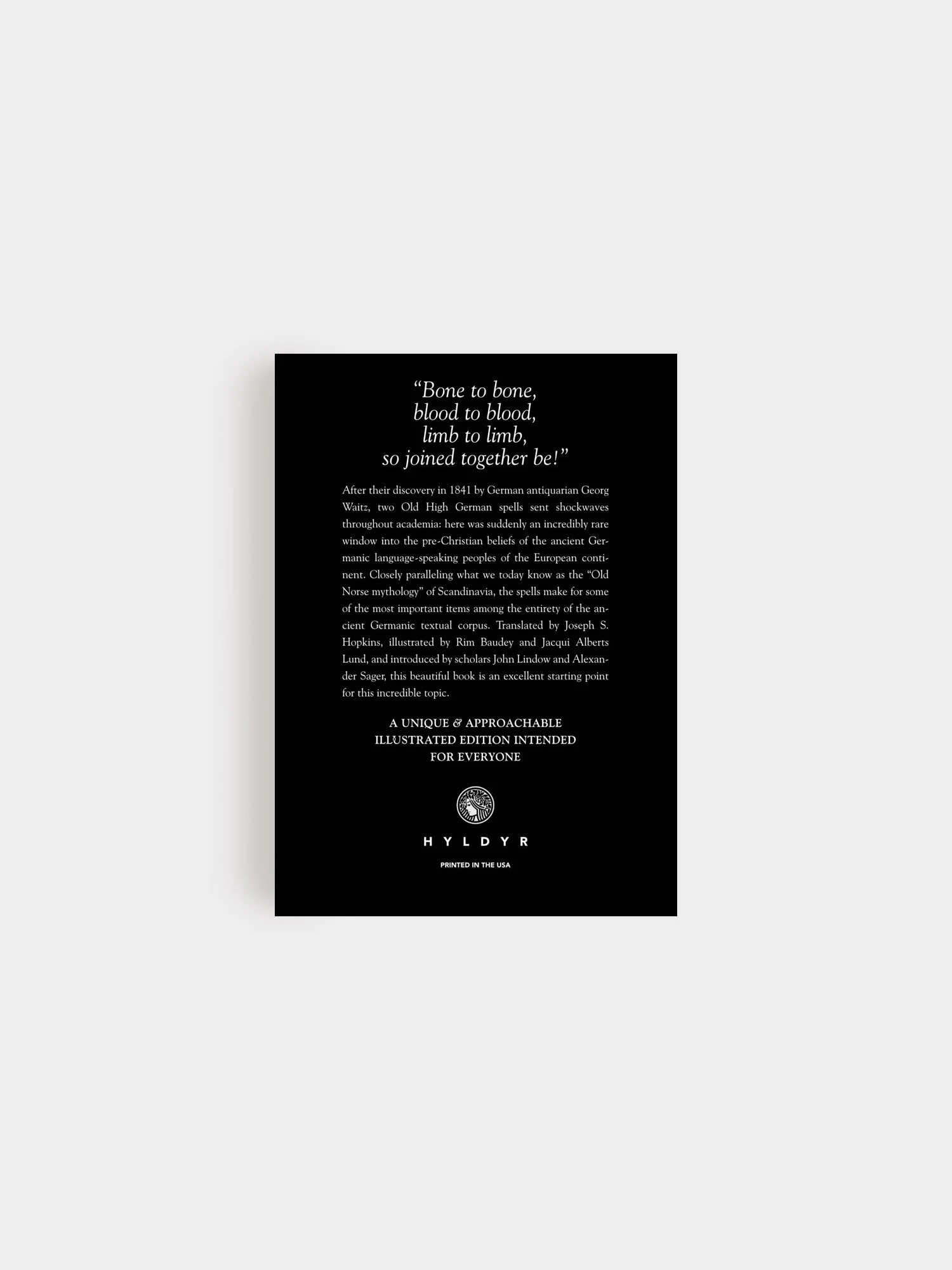
“Bone to bone, blood to blood, limb to limb, so joined together be!”

A must for anyone interested in the mysterious prehistory of the European continent and for readers interested in topics like historical paganism and what we today call “the occult”.

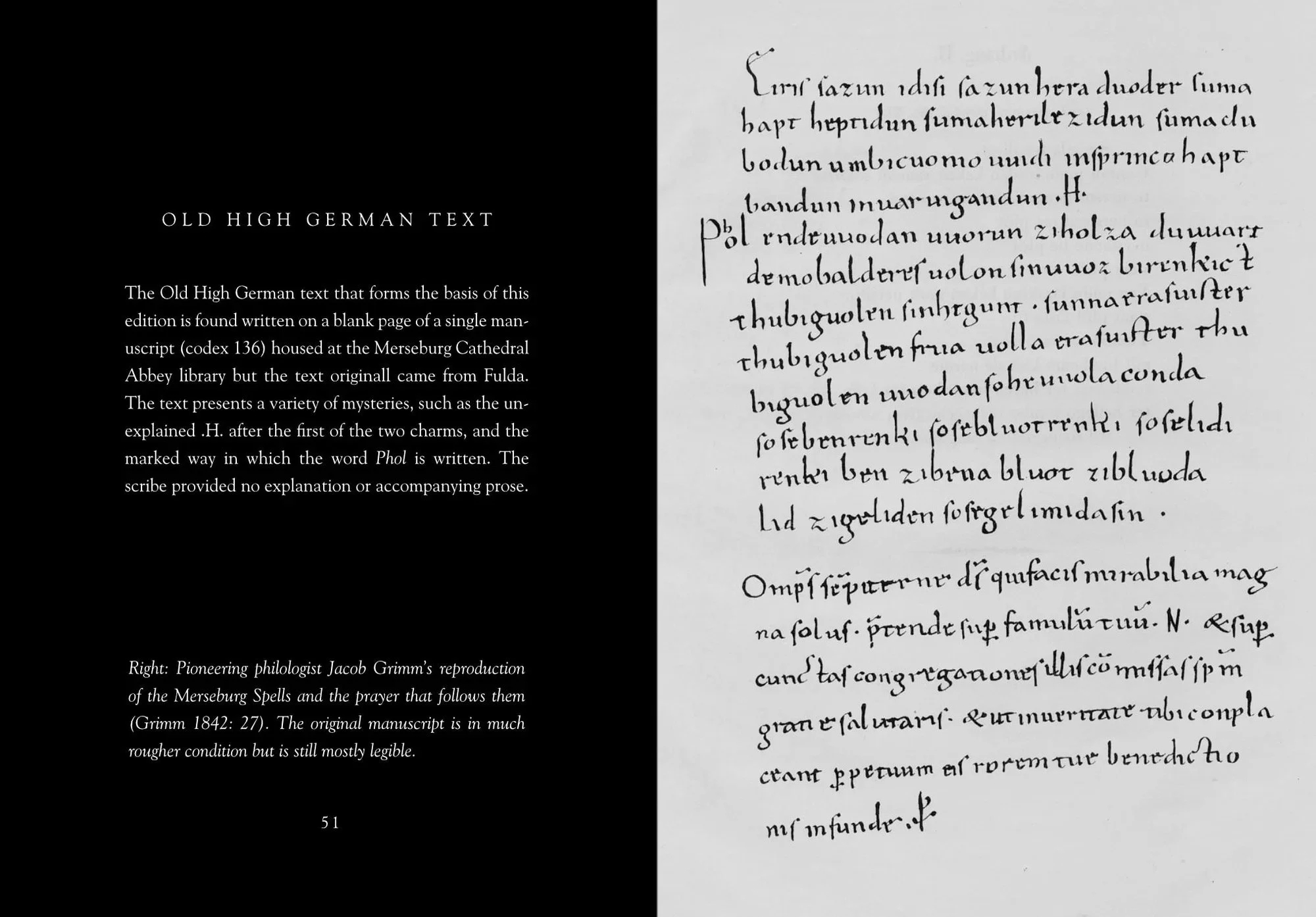
In 1841, German historian Georg Waitz was leafing through a series of manuscripts in what is now Merseburg, Germany. There he discovered what would seen be known as some of the most important items in ancient Germanic studies: two spells in Old High German alliterative verse, a traditional variety of poetry associated with speakers of ancient Germanic languages from at least the early 400s. These hugely impactful items are primarily known in contemporary German as die Merseburger Zaubersprüche, which is variously rendered into English as the Merseburg Charms, Merseburg Incantations, or—as we’ve chosen to title this edition—the Merseburg Spells.

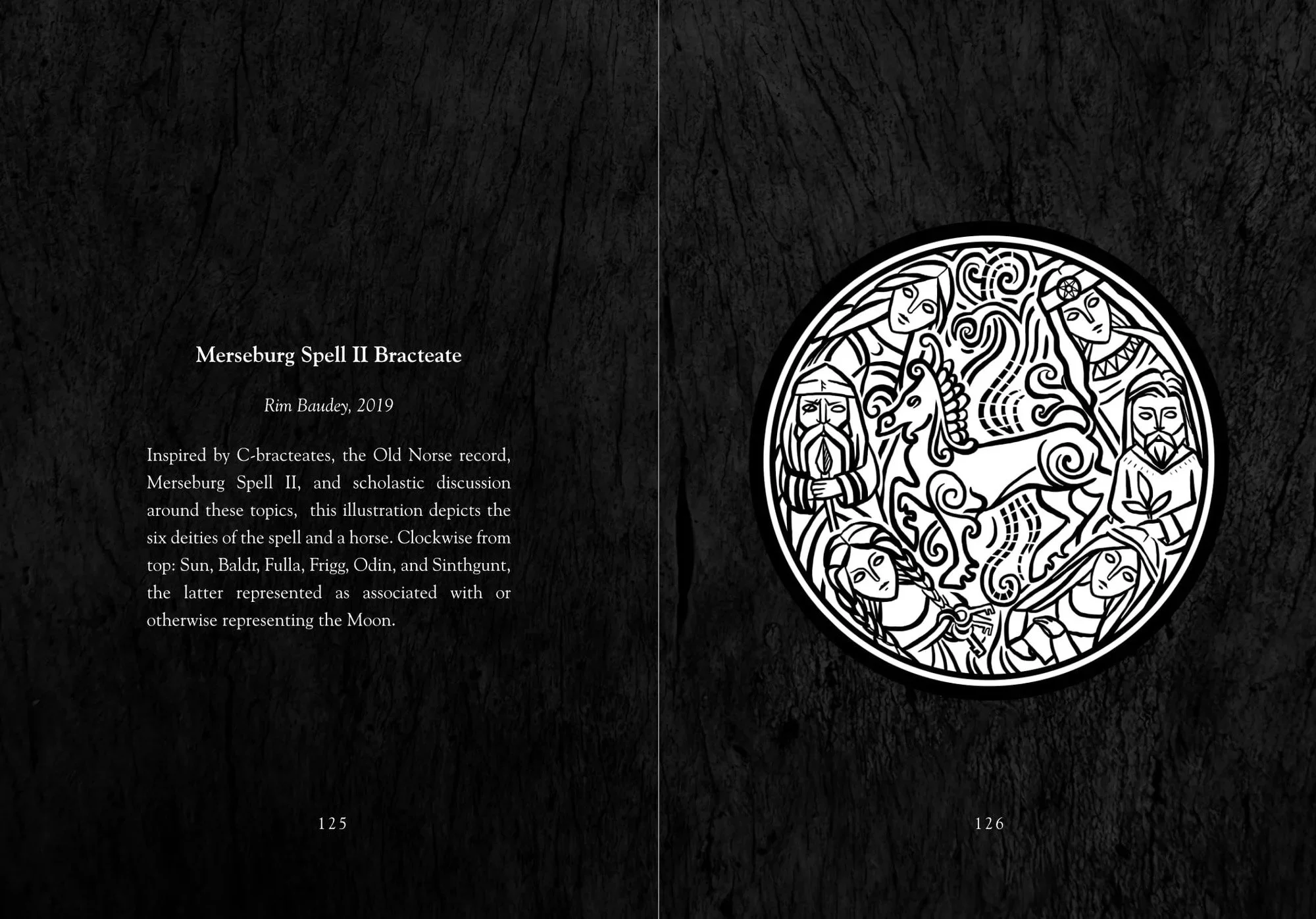
The spells are brief but profound, providing an extraordinary window into the pre-Christianization beliefs of the Germanic-speakers of continental Europe. The first calls upon a supernatural group of women, the Idisi. The second calls upon six gods. We know these deities best today as Odin, Frigg, Baldr, and Fulla, alongside the personified Sun, a goddess, and the mysterious Sinthgunt, another goddess.

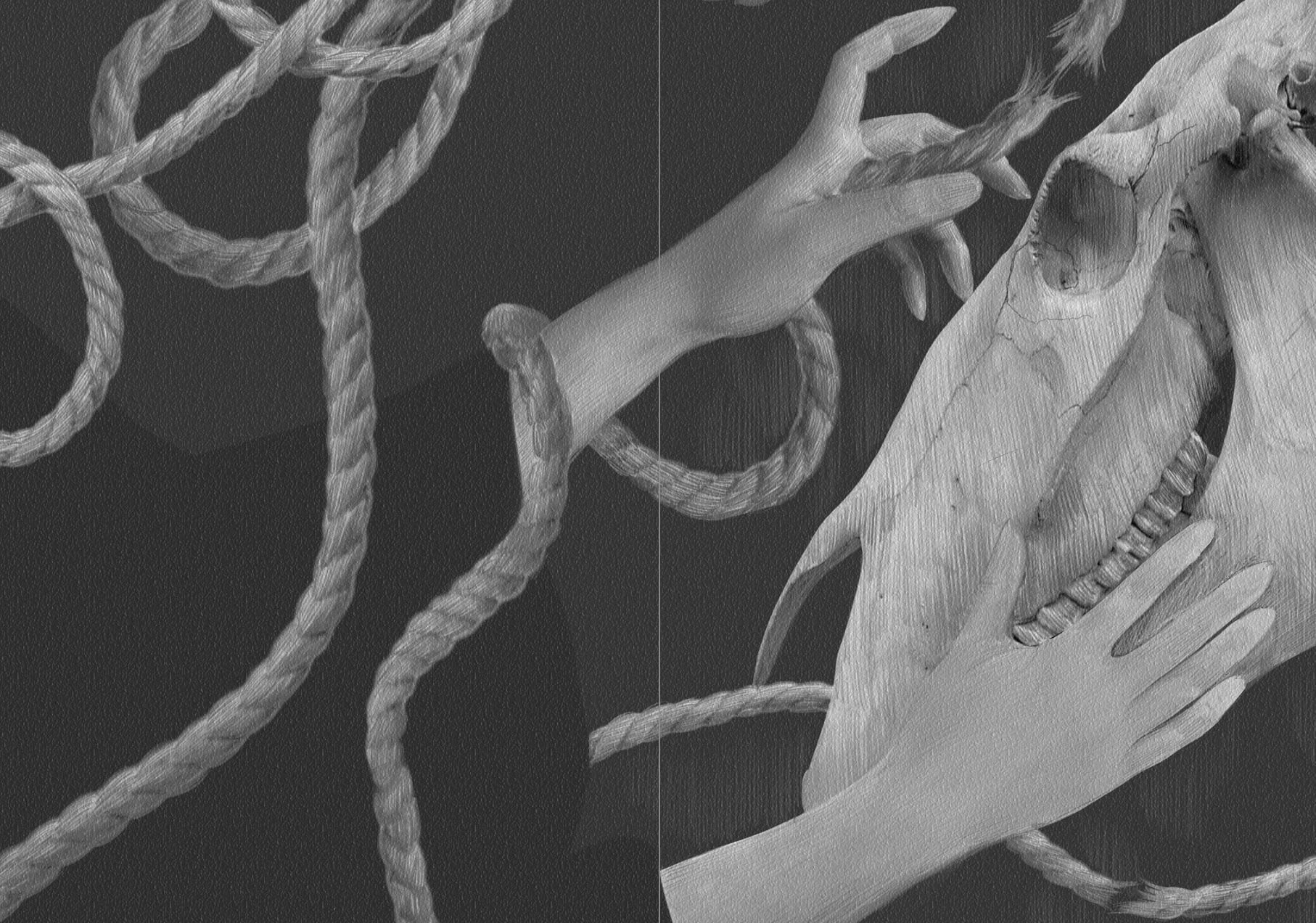
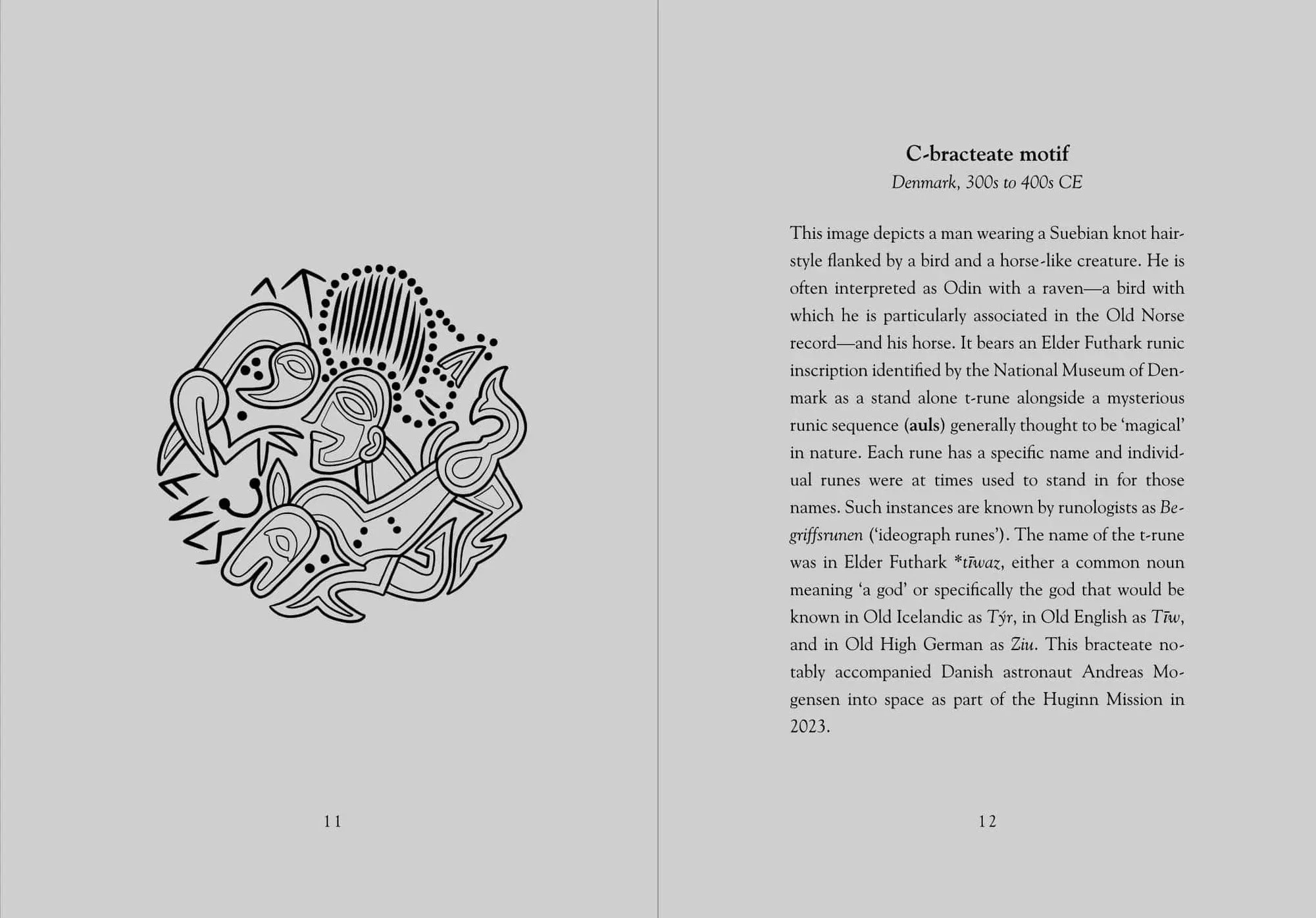
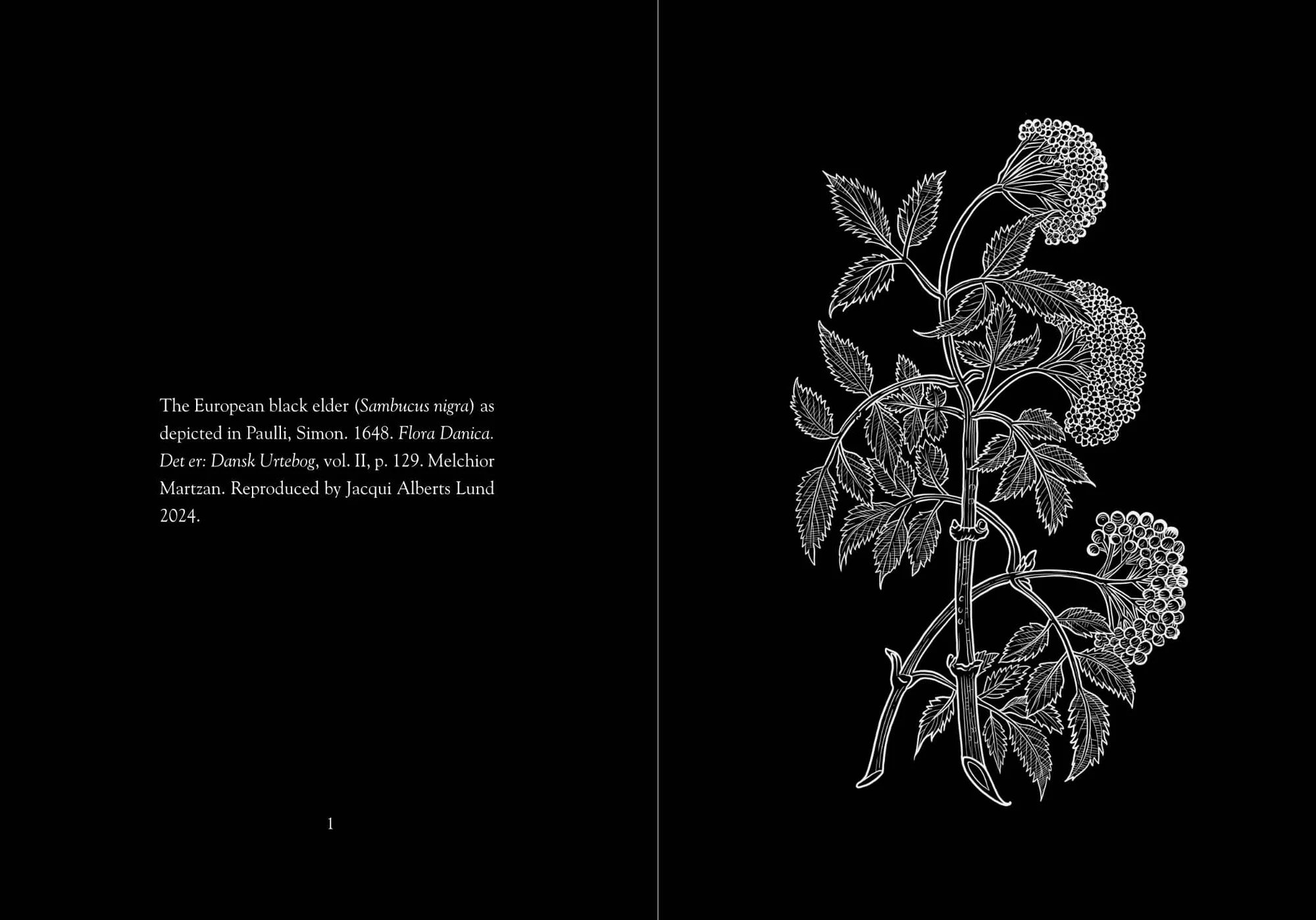
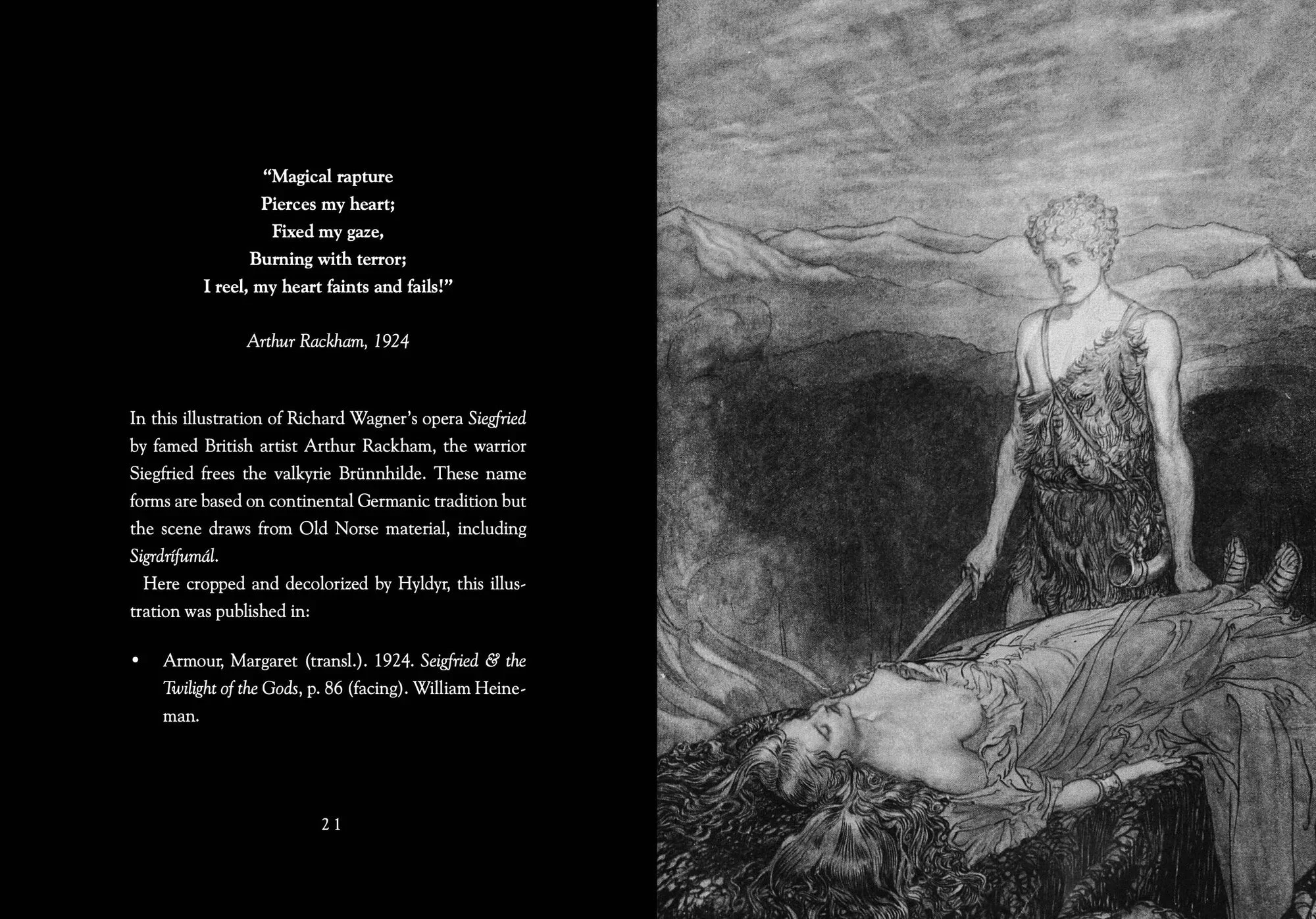
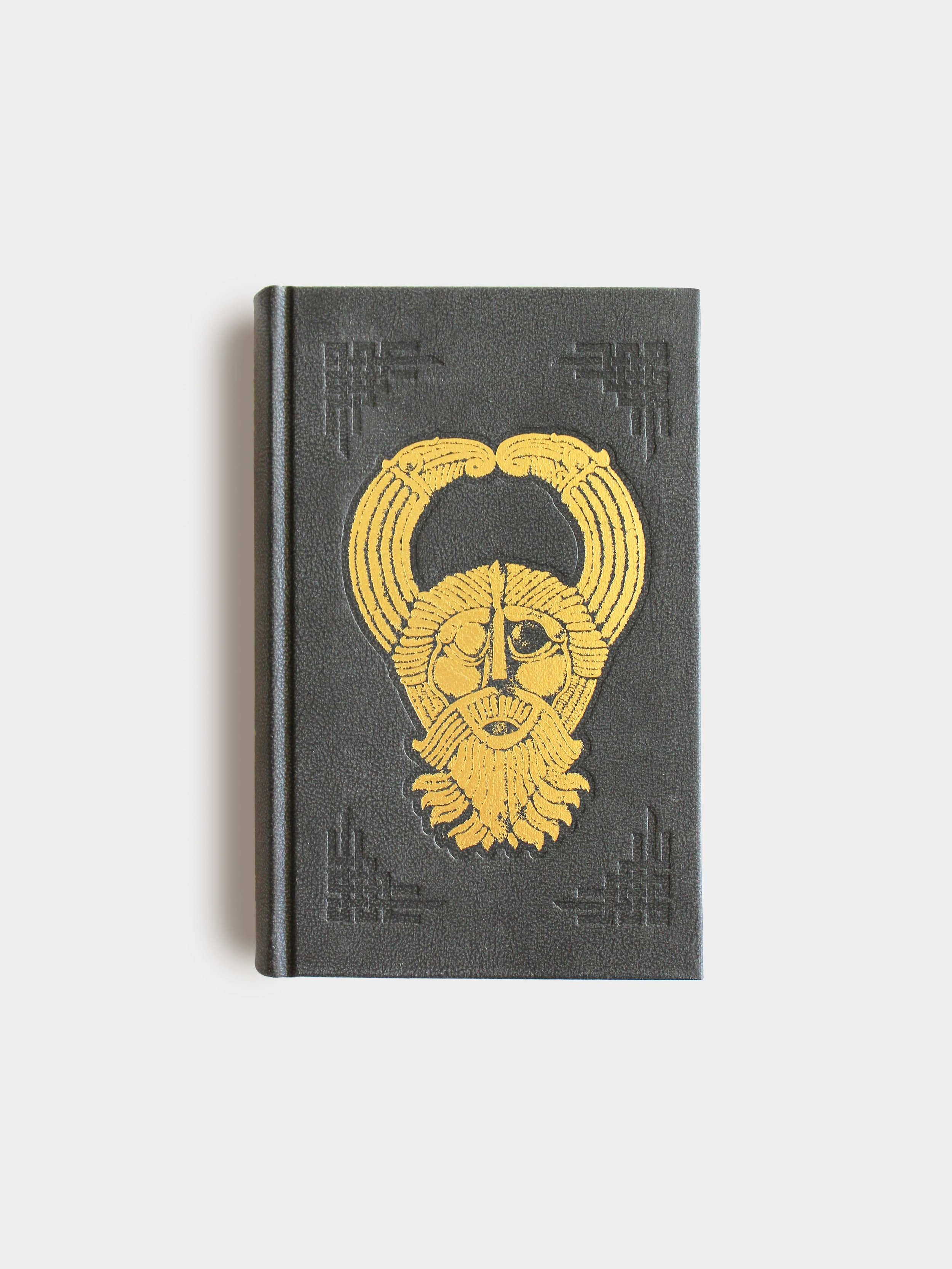
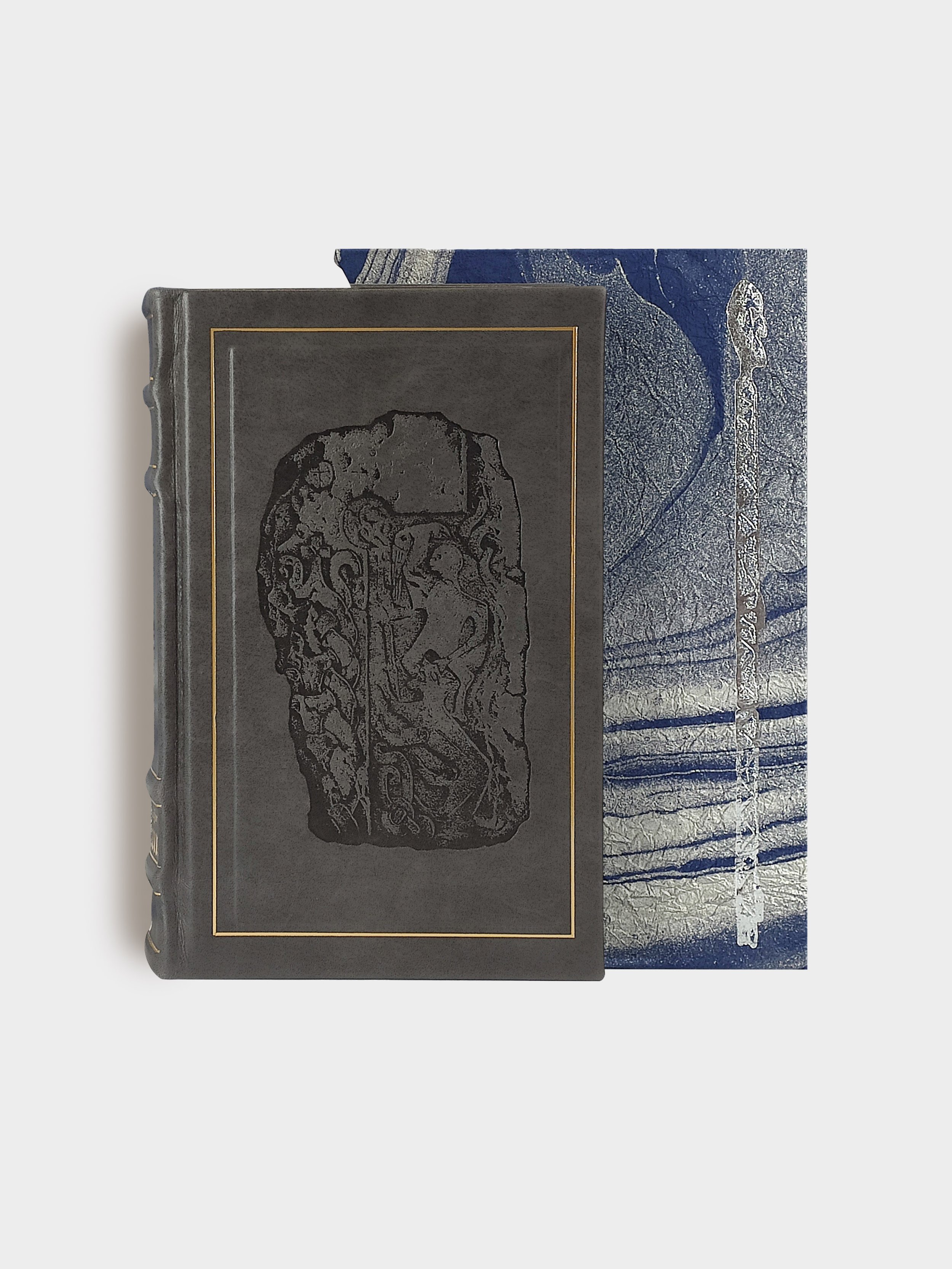
In this greatly expanded second edition, researcher Joseph S. Hopkins renders the poem and discusses both of the spells and associated historical context, themes, and topics alongside a variety of additional, supplemental items. This beautiful and unique edition is lushly illustrated by artist Rim Baudey with contributions from artist Jacqui Alberts Lund (Wovnwyrm Tattoo). It features introductions and discussion from scholars John Lindow (Professor Emeritus of Old Norse and Folklore at University of California, Berkeley) and Alexander Sager (Department of Germanic and Slavic Studies, University of Georgia), and was edited by Danielle Cudmore (Halmstad University, Sweden) and Lauren E. Fountain (Hyldyr).

The Merseburg Spells: Germanic Paganism

By J. S. Hopkins

“Bone to bone, blood to blood, limb to limb, so joined together be!”

A must for anyone interested in the mysterious prehistory of the European continent and for readers interested in topics like historical paganism and what we today call “the occult”.

In 1841, German historian Georg Waitz was leafing through a series of manuscripts in what is now Merseburg, Germany. There he discovered what would seen be known as some of the most important items in ancient Germanic studies: two spells in Old High German alliterative verse, a traditional variety of poetry associated with speakers of ancient Germanic languages from at least the early 400s. These hugely impactful items are primarily known in contemporary German as die Merseburger Zaubersprüche, which is variously rendered into English as the Merseburg Charms, Merseburg Incantations, or—as we’ve chosen to title this edition—the Merseburg Spells.

The spells are brief but profound, providing an extraordinary window into the pre-Christianization beliefs of the Germanic-speakers of continental Europe. The first calls upon a supernatural group of women, the Idisi. The second calls upon six gods. We know these deities best today as Odin, Frigg, Baldr, and Fulla, alongside the personified Sun, a goddess, and the mysterious Sinthgunt, another goddess.

In this greatly expanded second edition, researcher Joseph S. Hopkins renders the poem and discusses both of the spells and associated historical context, themes, and topics alongside a variety of additional, supplemental items. This beautiful and unique edition is lushly illustrated by artist Rim Baudey with contributions from artist Jacqui Alberts Lund (Wovnwyrm Tattoo). It features introductions and discussion from scholars John Lindow (Professor Emeritus of Old Norse and Folklore at University of California, Berkeley) and Alexander Sager (Department of Germanic and Slavic Studies, University of Georgia), and was edited by Danielle Cudmore (Halmstad University, Sweden) and Lauren E. Fountain (Hyldyr).

  • Hyldyr
    156 pages. 5x7. Perfect binding. Printed in the USA.

    Second edition | ISBN-13: 978-1-966041-09-2


From the publisher:

"Hyldyr is an independent and experimental publishing house based in Olympia, Washington state, USA. We combine the efforts of academics and artists to produce unique, beautiful, and scholarship-grounded publications.

There’s nothing else like us—by design. Founded in late 2021 with our first publications arriving the summer of 2023, we designed Hyldyr to produce high-quality and extremely unique editions built to withstand scholastic scrutiny, to function as art objects, and to provide our readers with keys to hidden worlds.

We are heavily inspired by the works of English polymath William Morris, do-it-yourself movements, and our evergreen mountainous surroundings. We place a particular emphasis on historical linguistics and folklore studies and all of our publications in some way or another fall within the triangle of art, ecology, and folklore. We believe the world is a vast place full of wonders.

While we design our publications to be as approachable as possible, Hyldyr’s roots are academic: Hyldyr developed out of the web-based resource project Mimisbrunnr.info, itself an evolution of a student-led reading circle originally sponsored by the Department of Germanic and Slavic Studies at the University of Georgia for several years in the 2010s.

Quality and humanity come first at Hyldyr: We never use print-on-demand services, we explicitly forbid the use of generative AI in our publications, we sell our books only to independent bookstores and educational institutions (like museums), and we always aim to go a step beyond traditional publishing houses in everything we do."