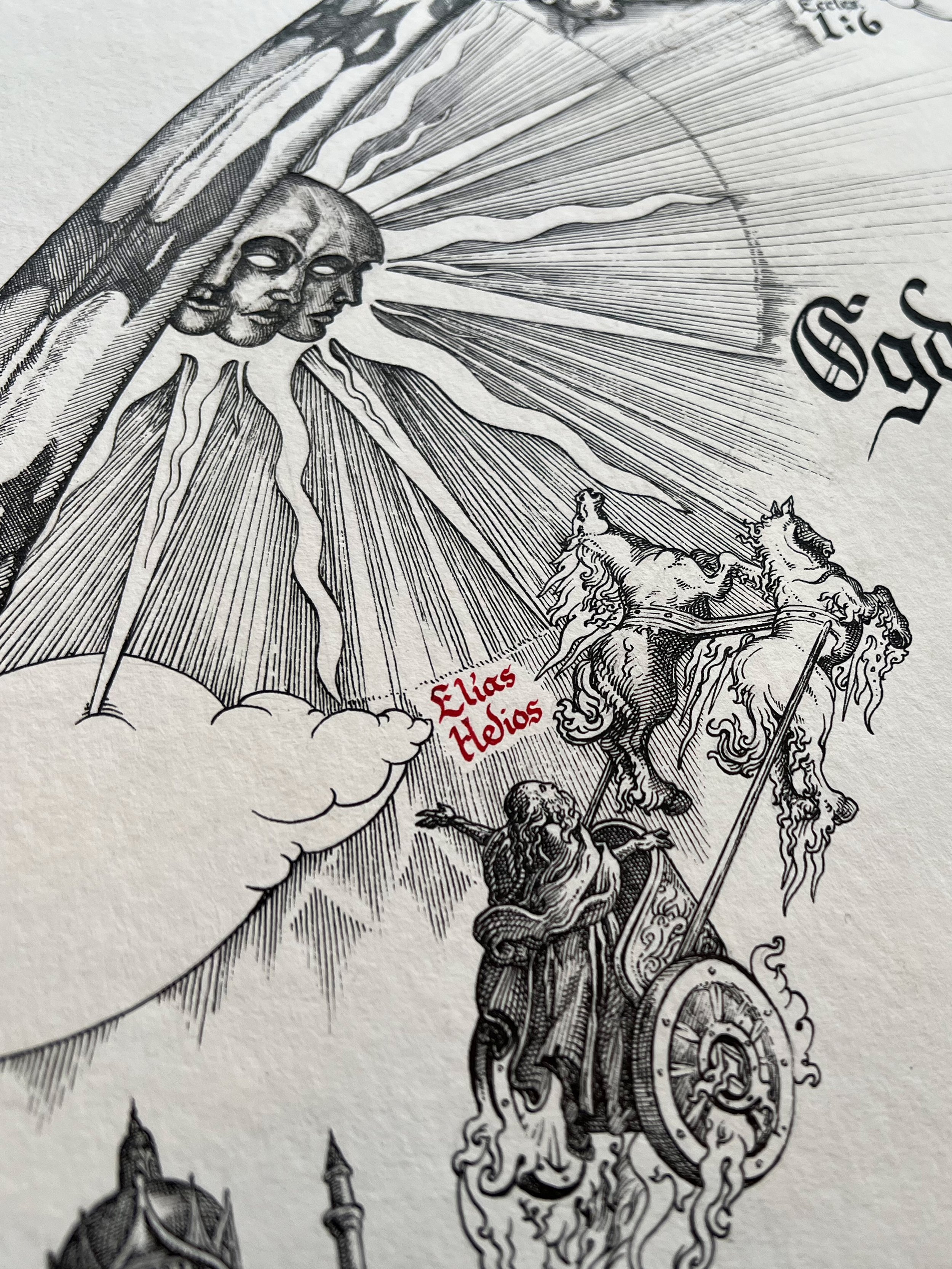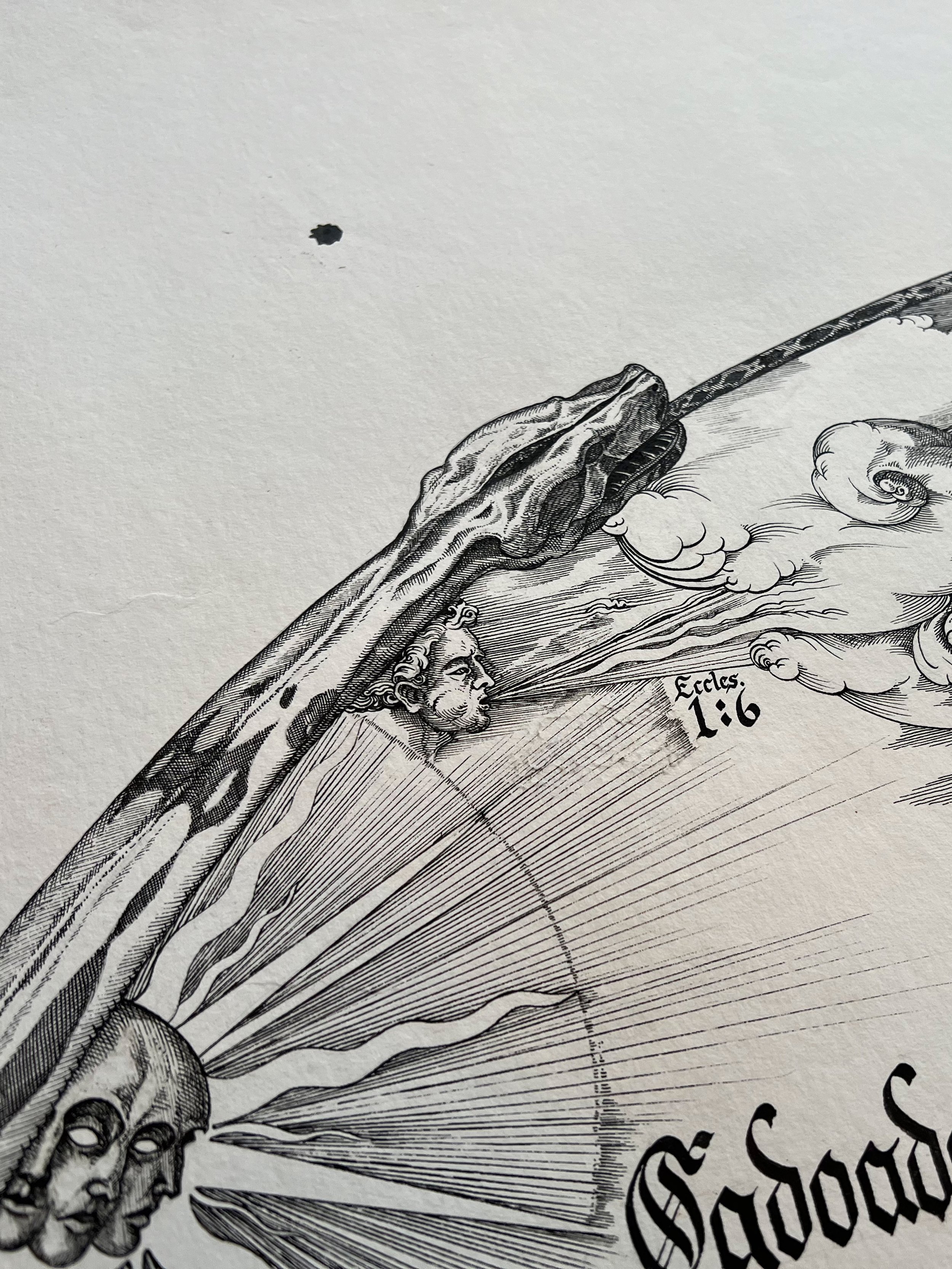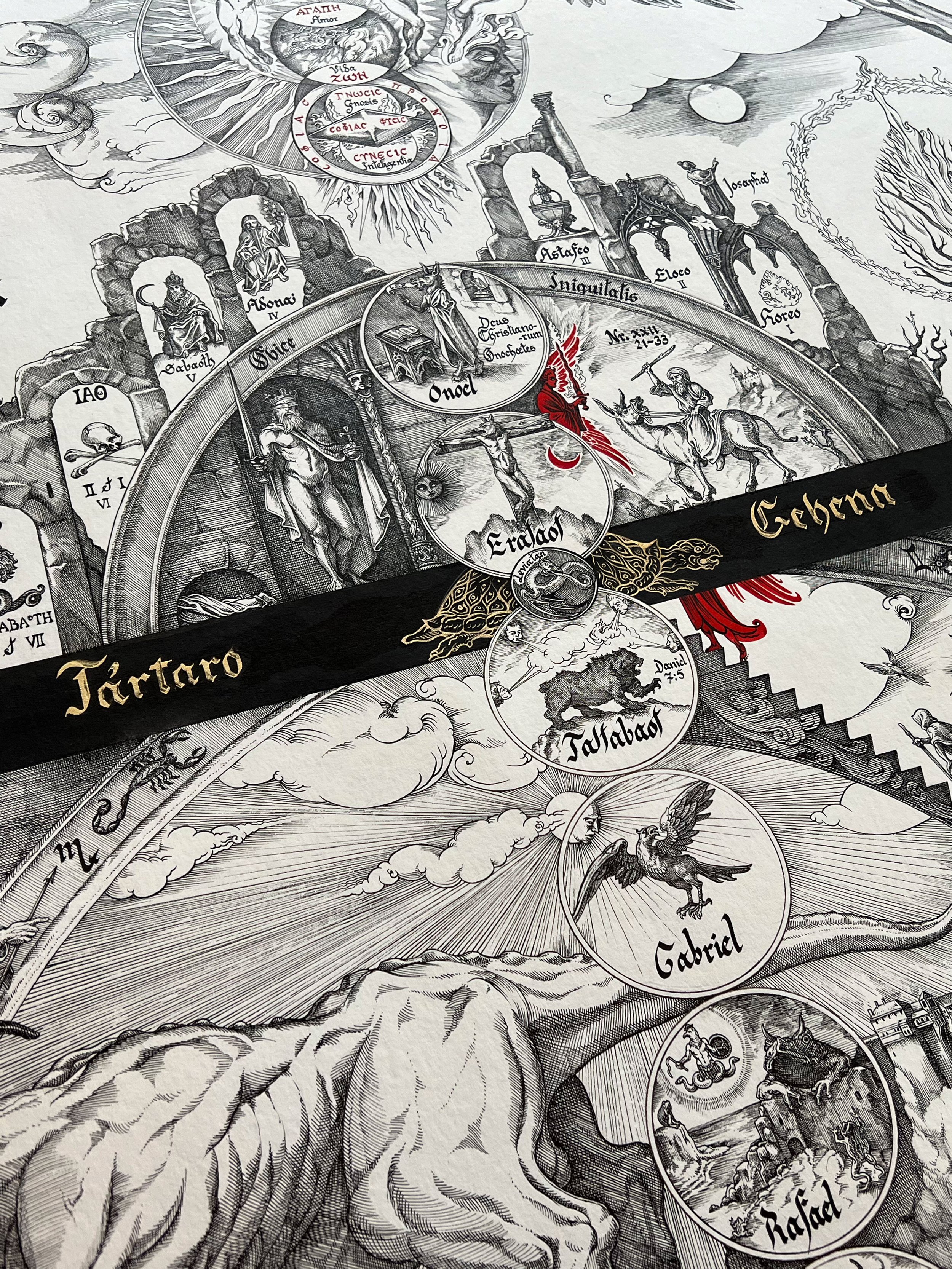
Image 1 of 2
Image 2 of 2
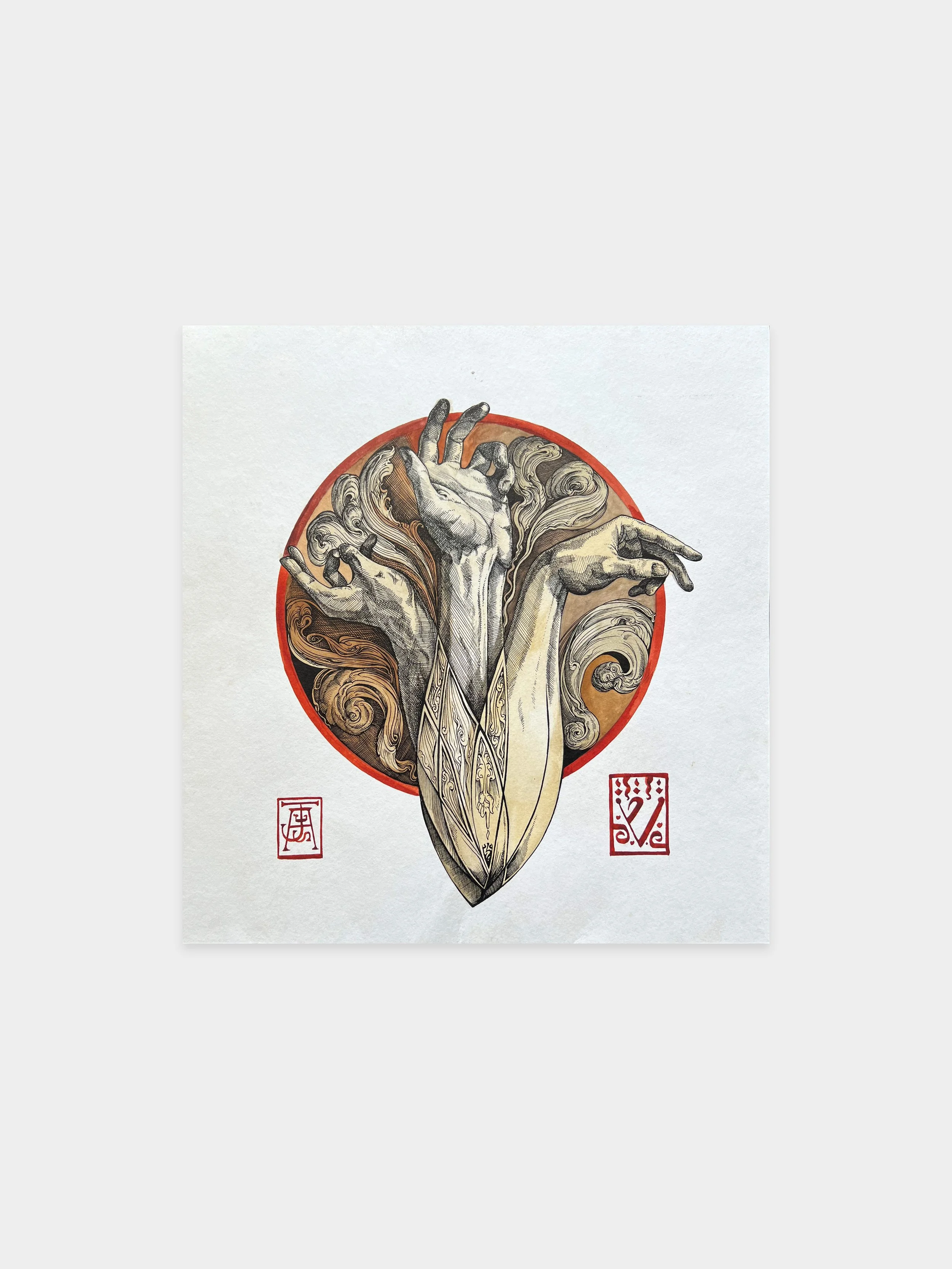
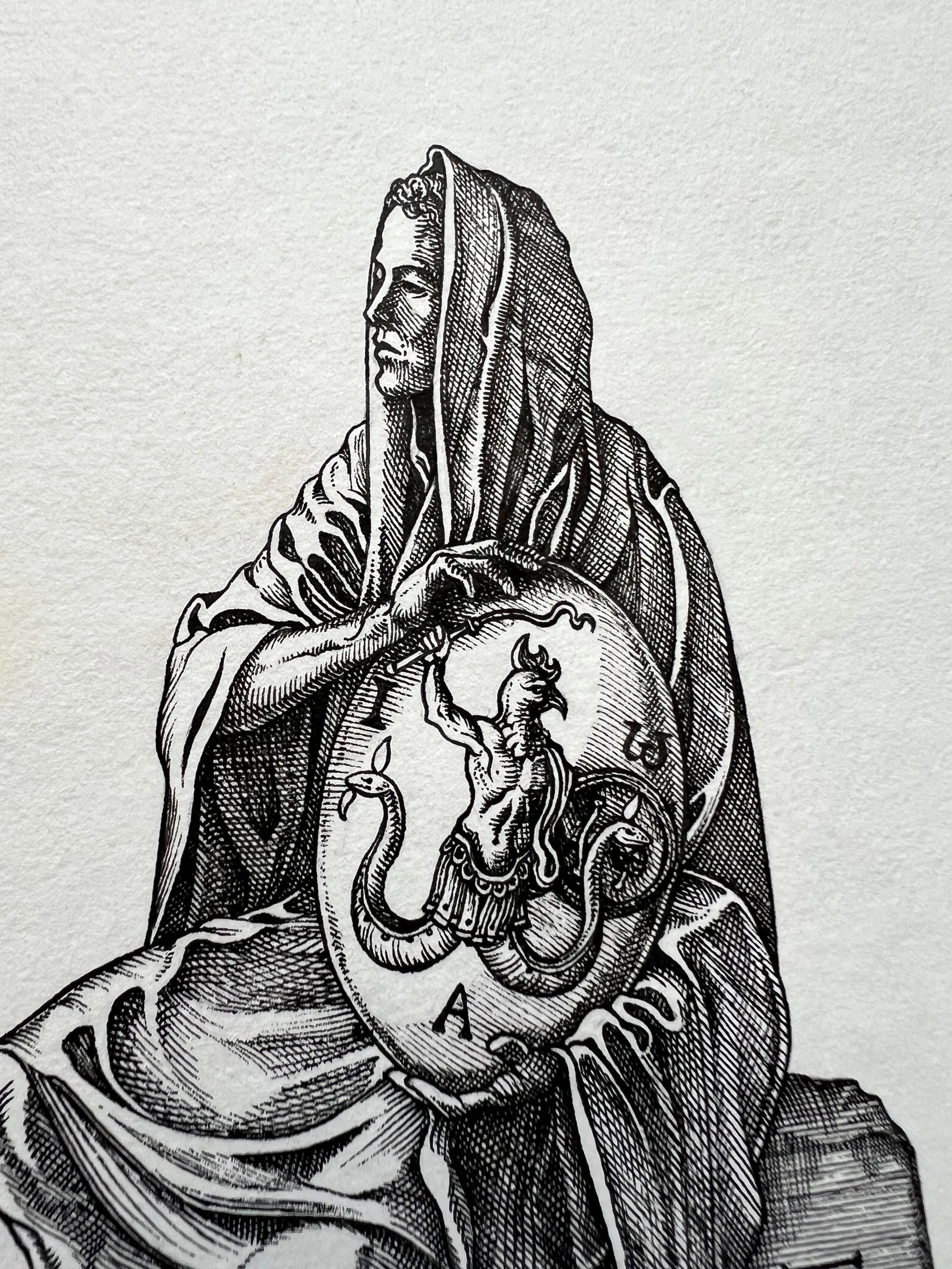
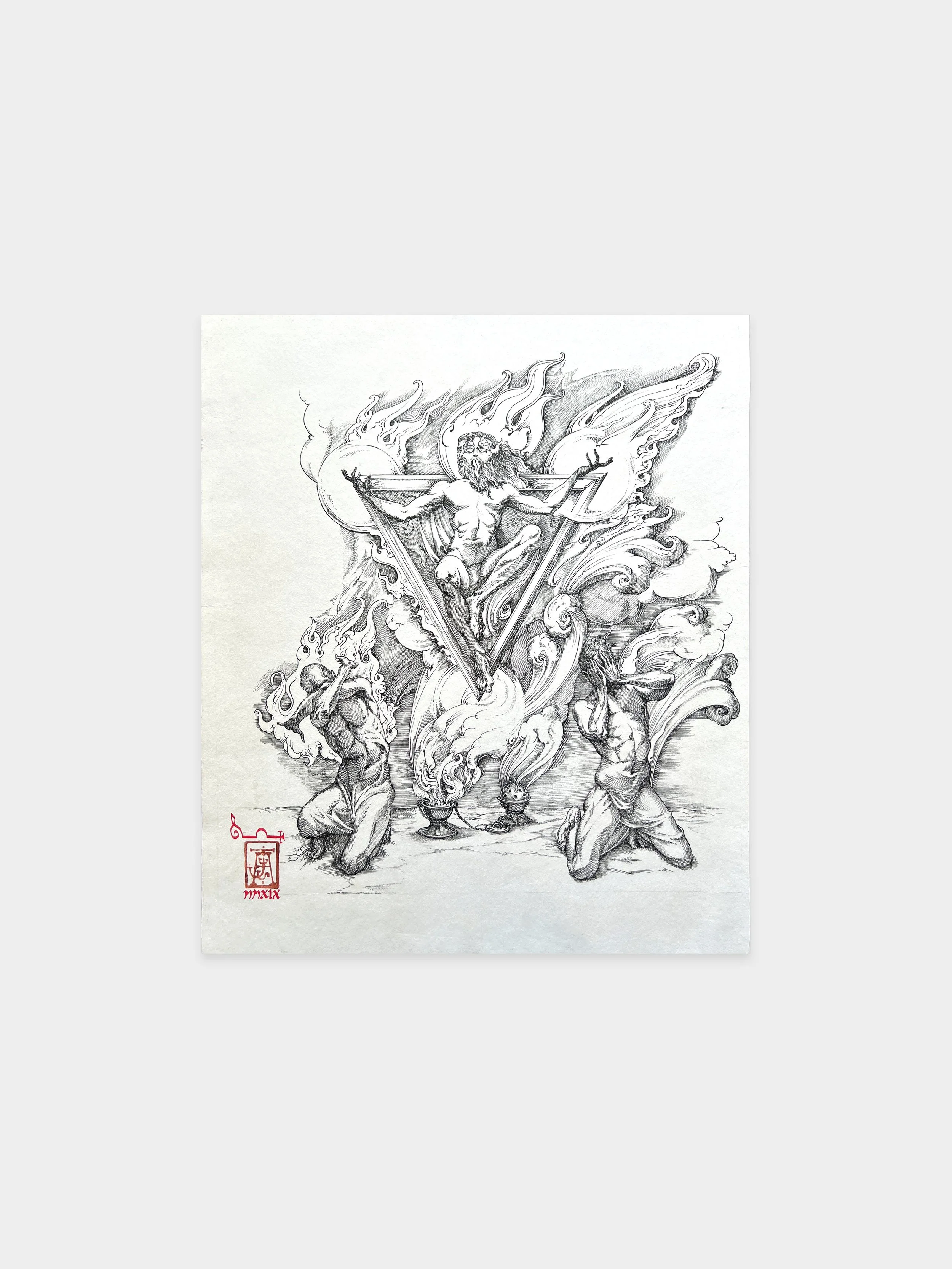
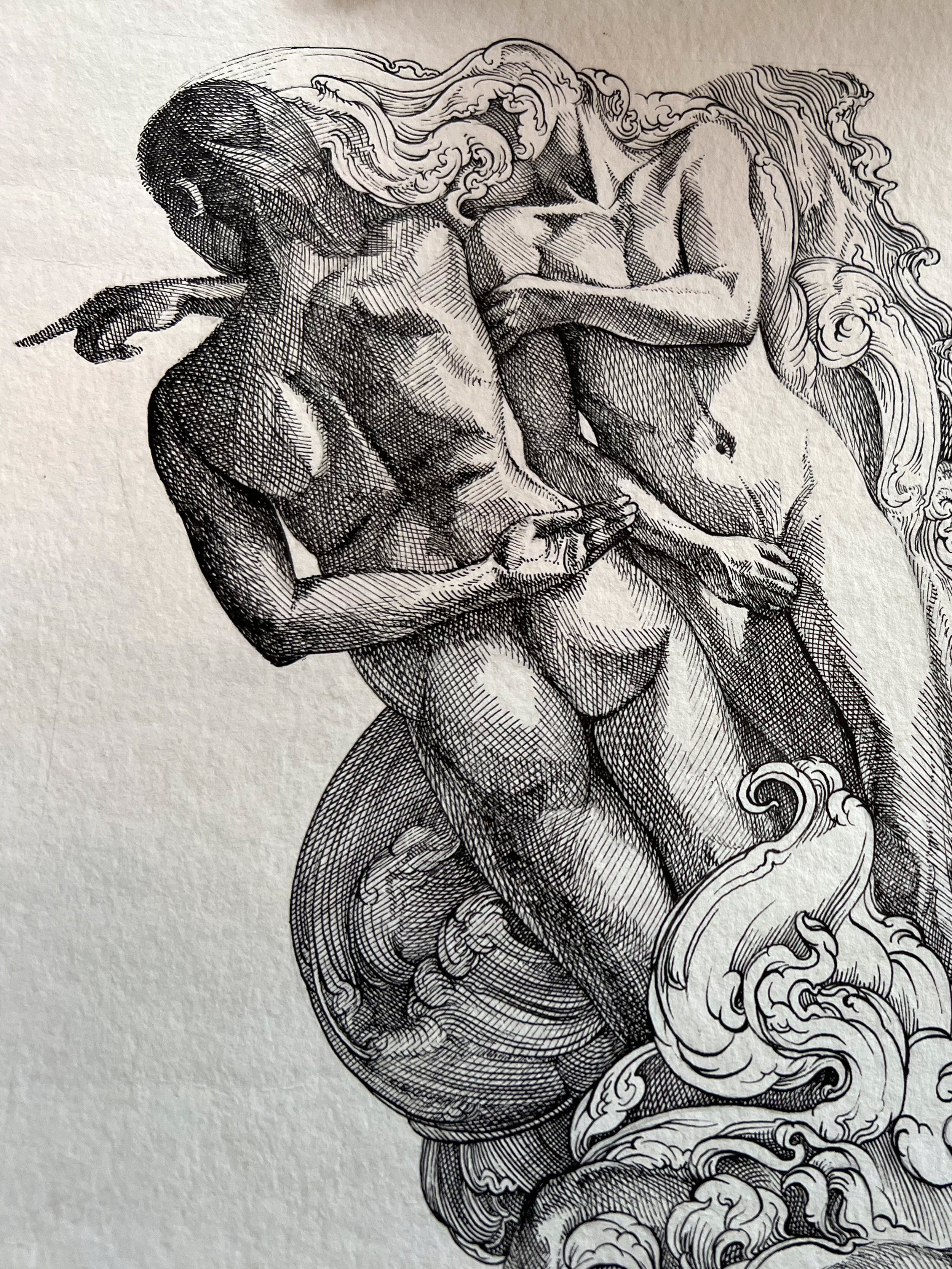
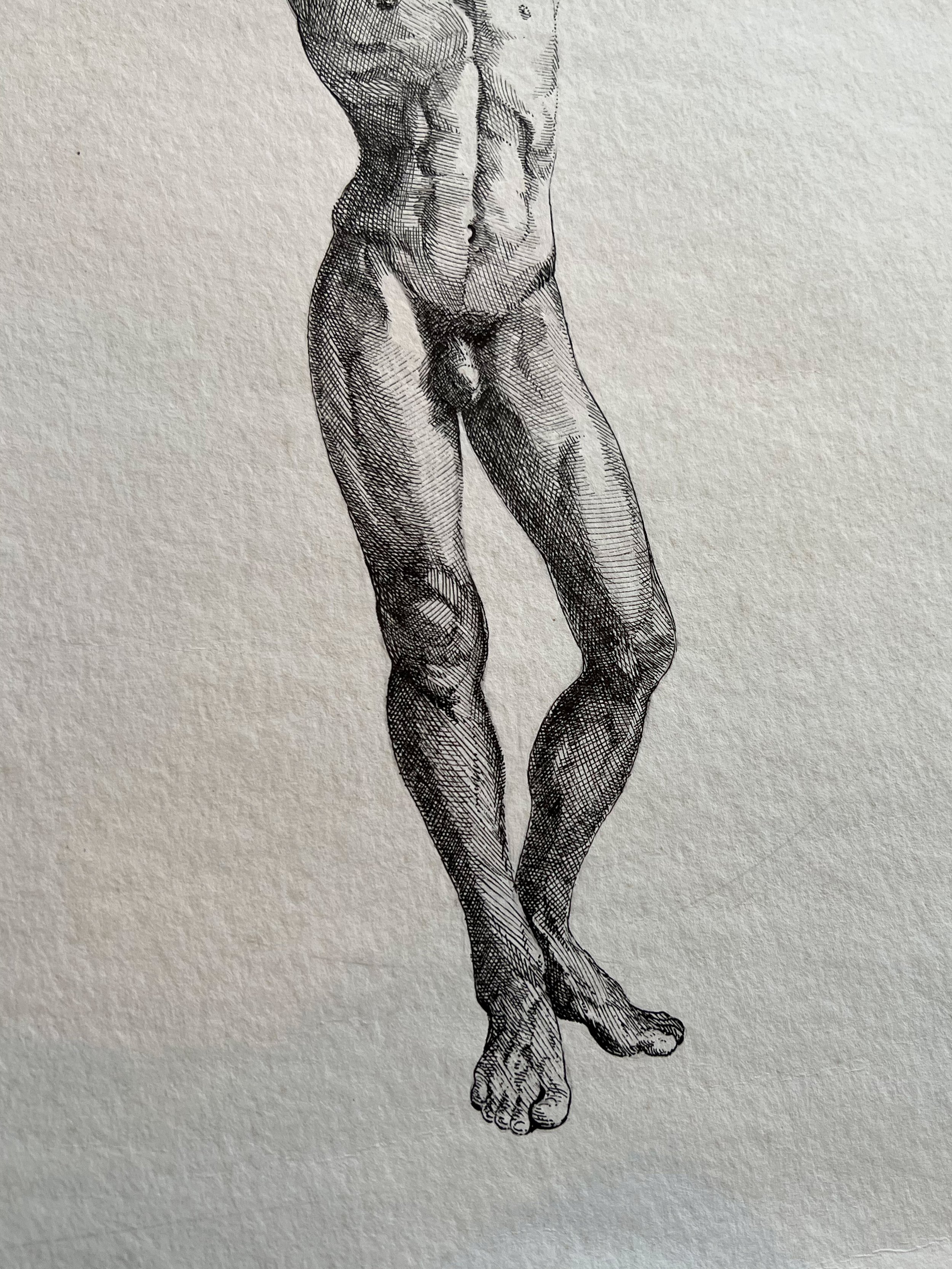
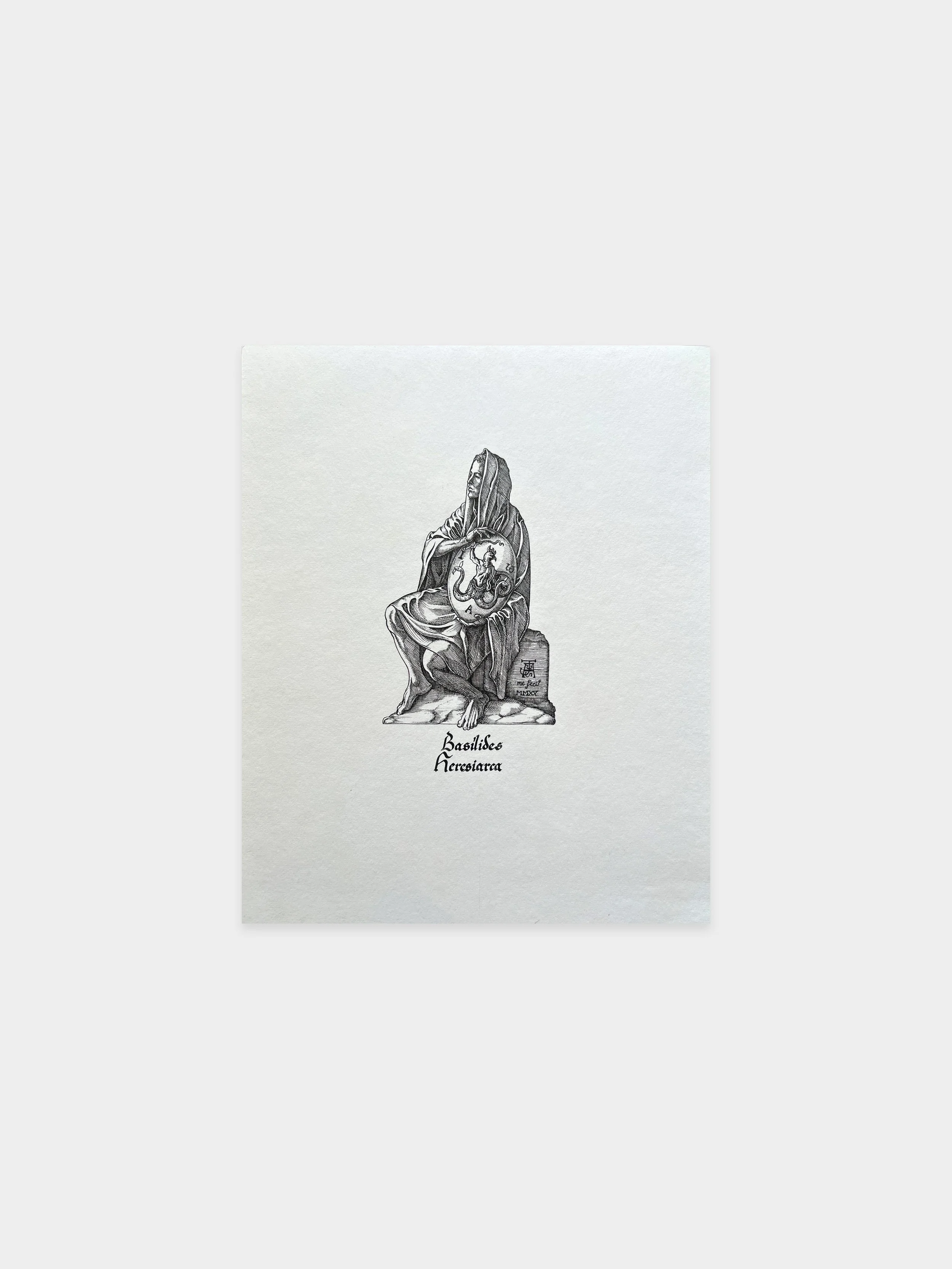
Basilides the Heresiarch
[This piece has been featured in IAO: Ophite Iconography, p.93.]
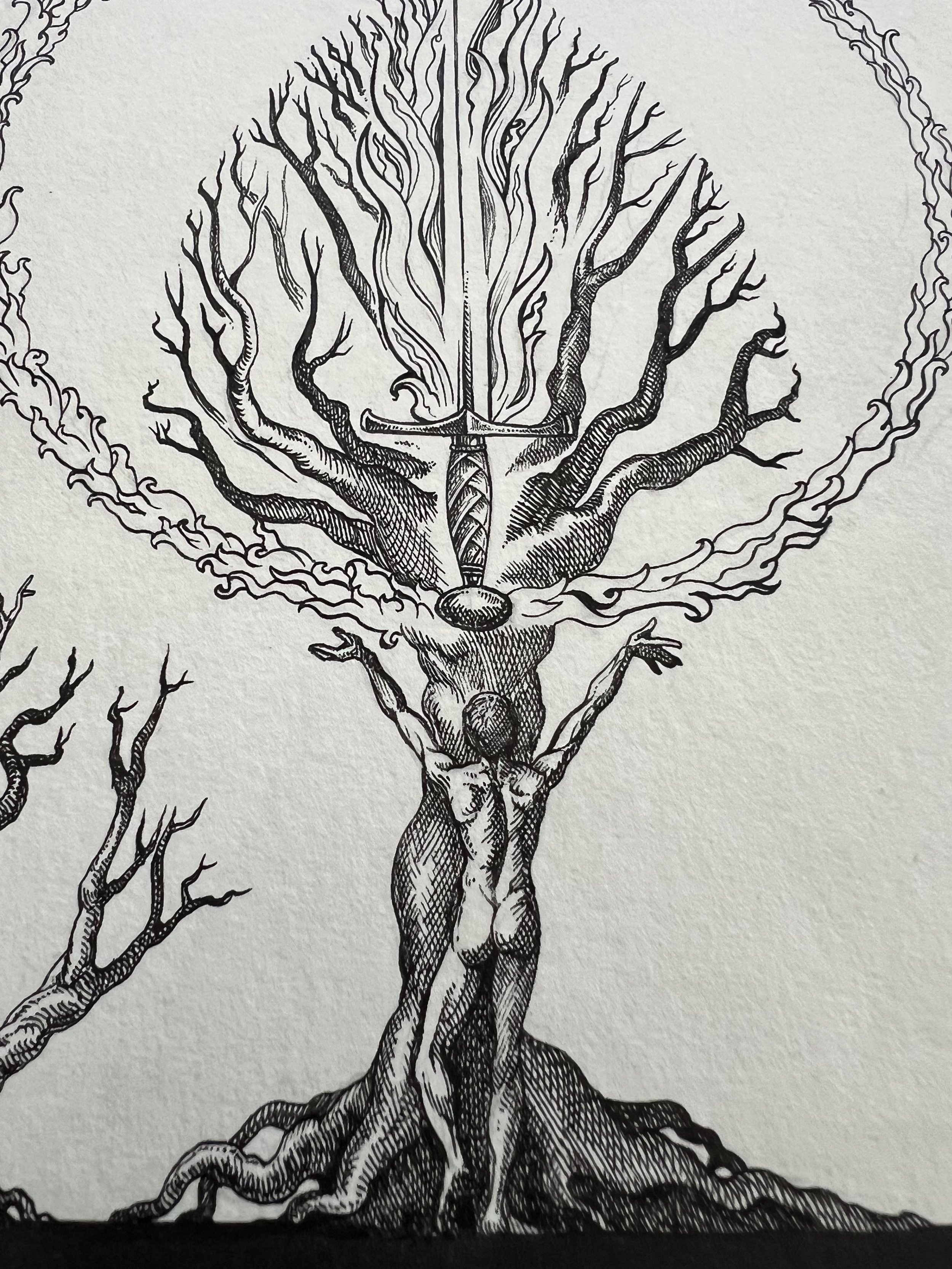
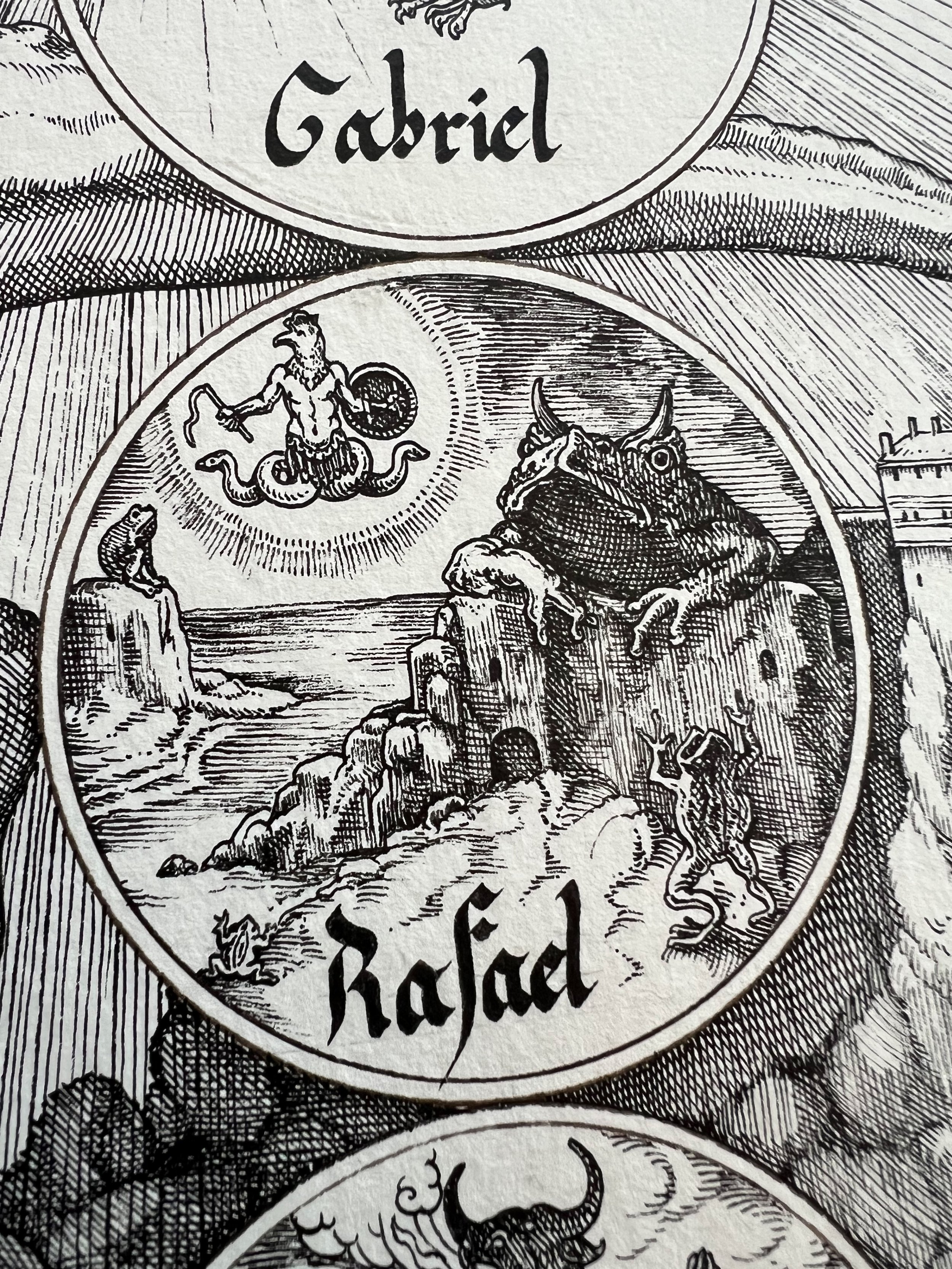
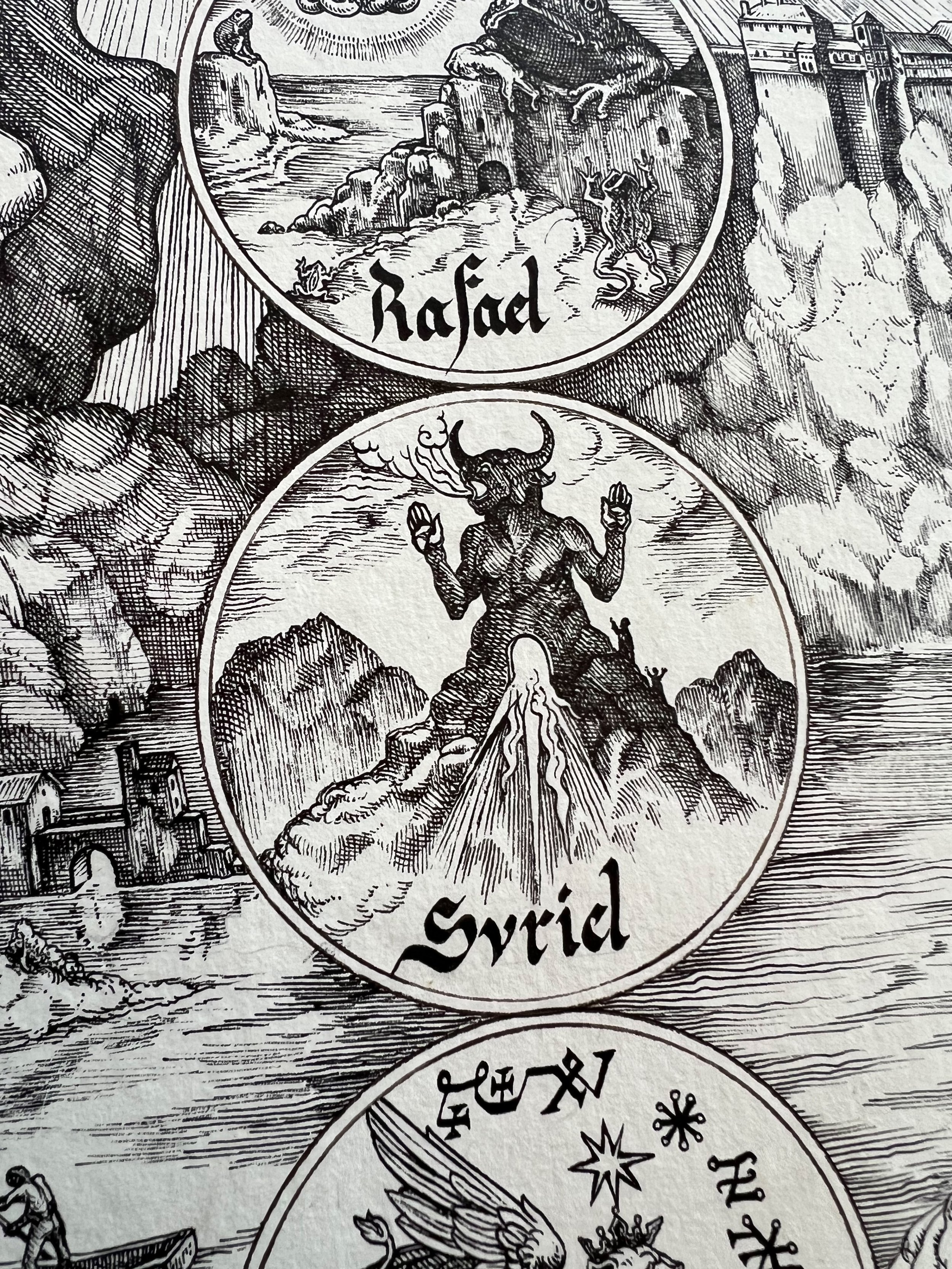
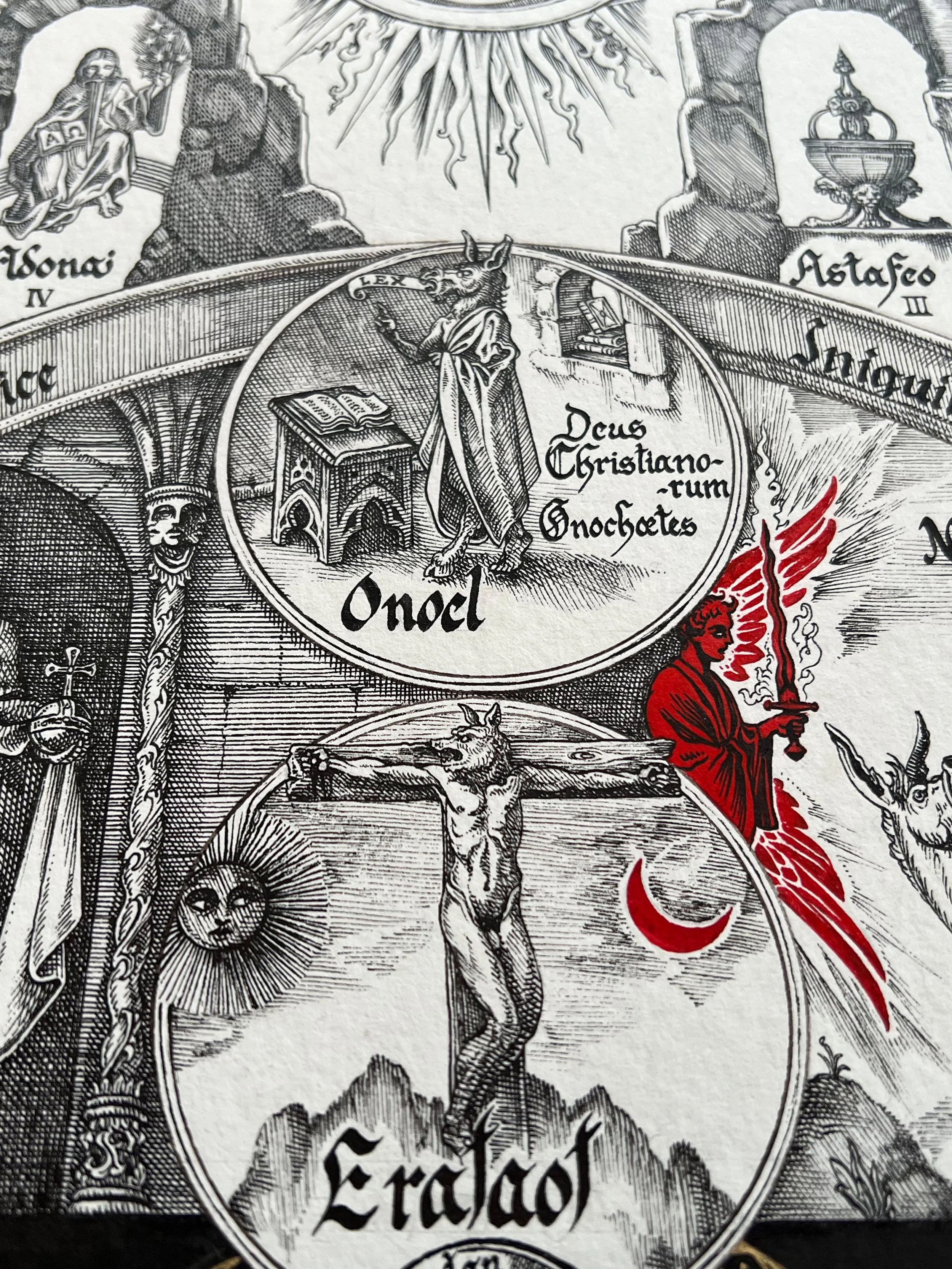
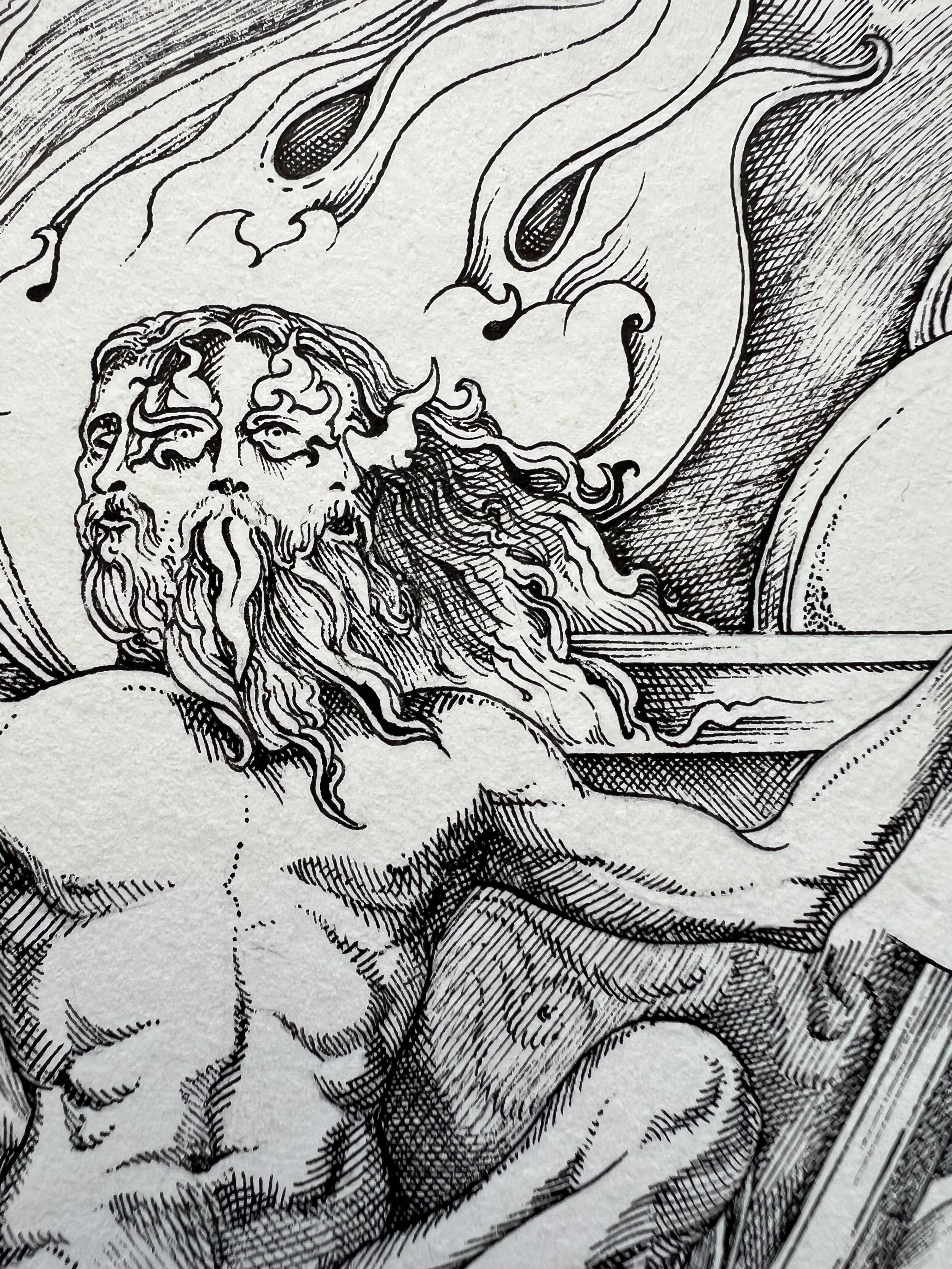
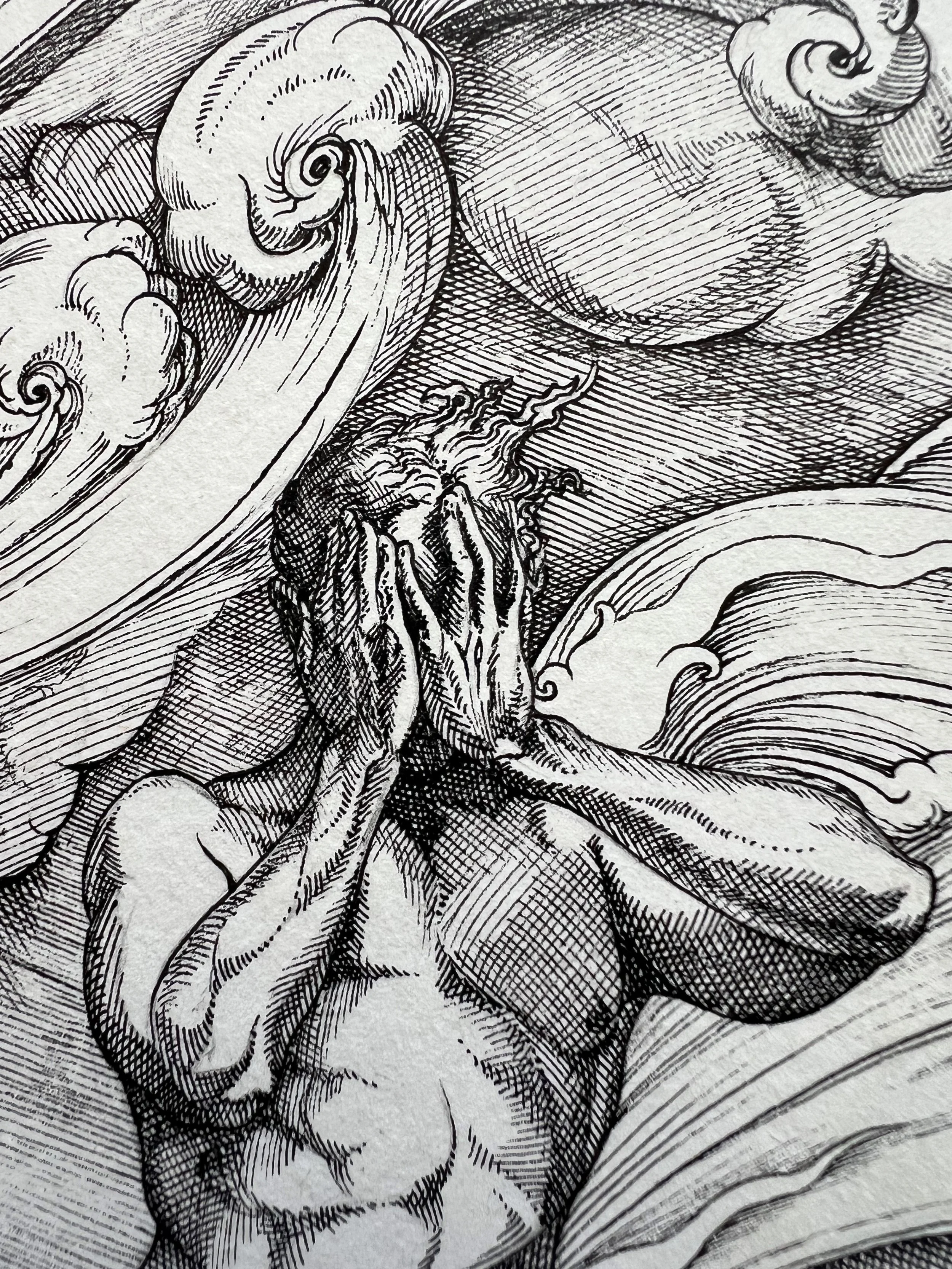
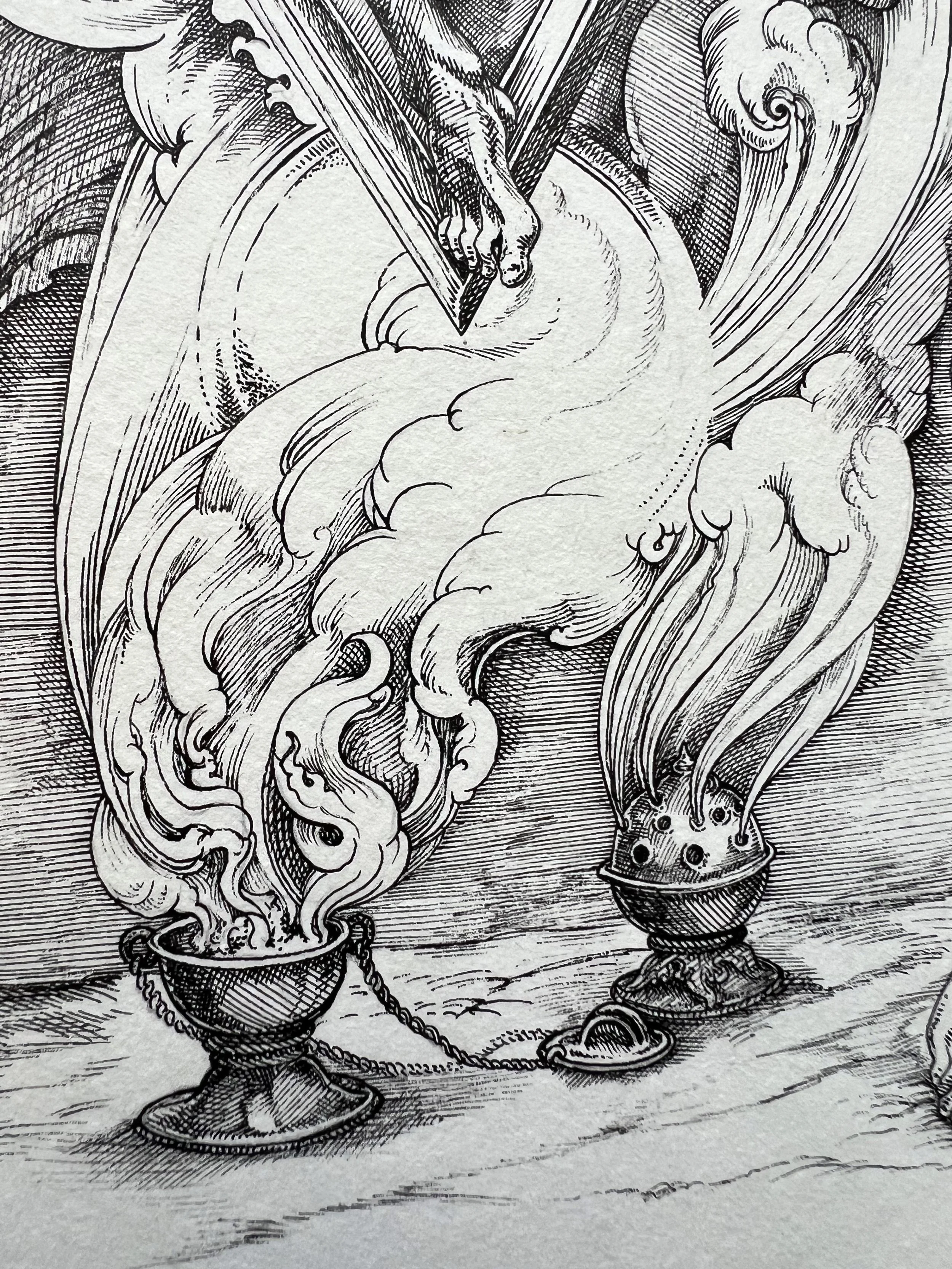
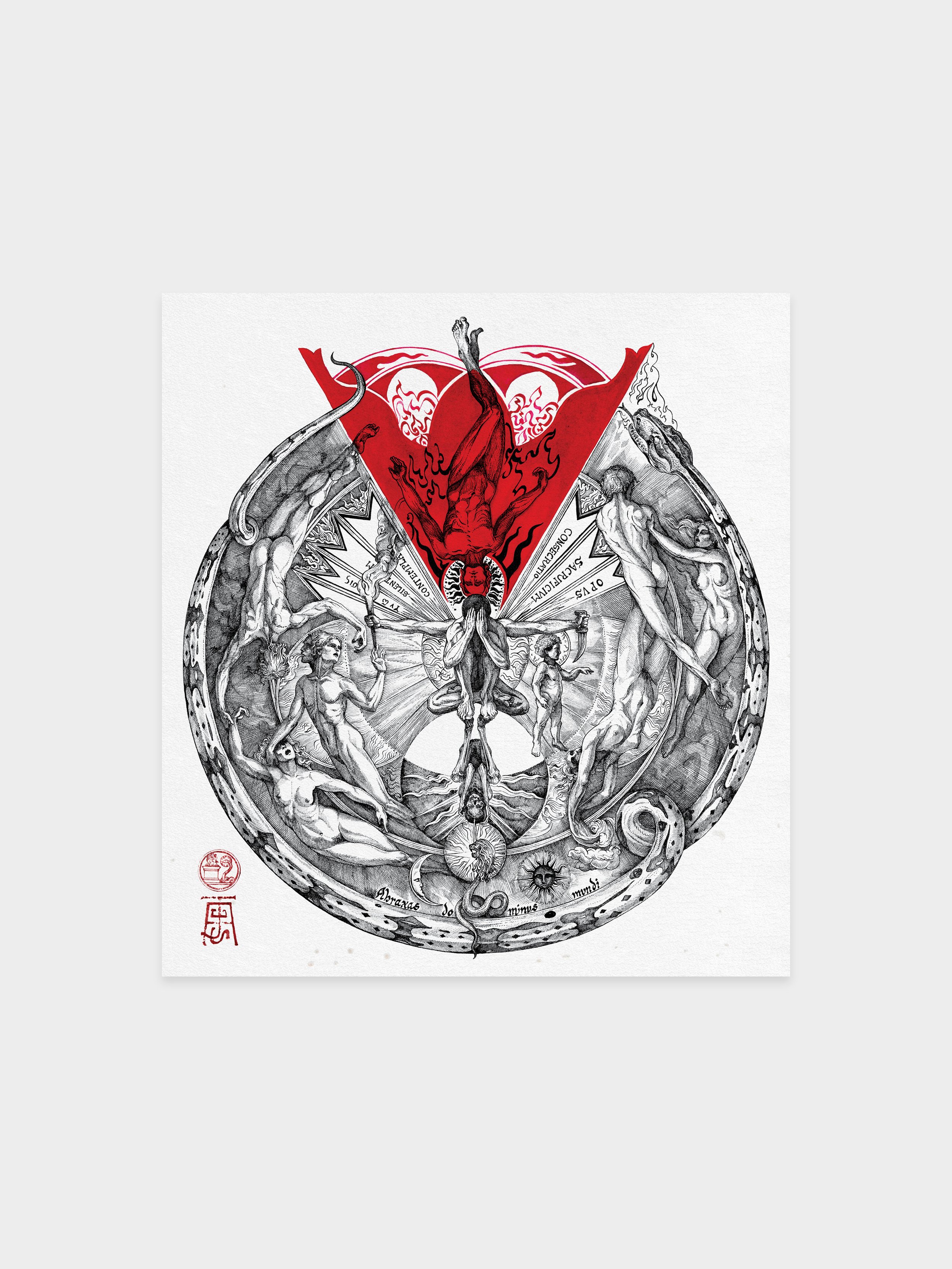
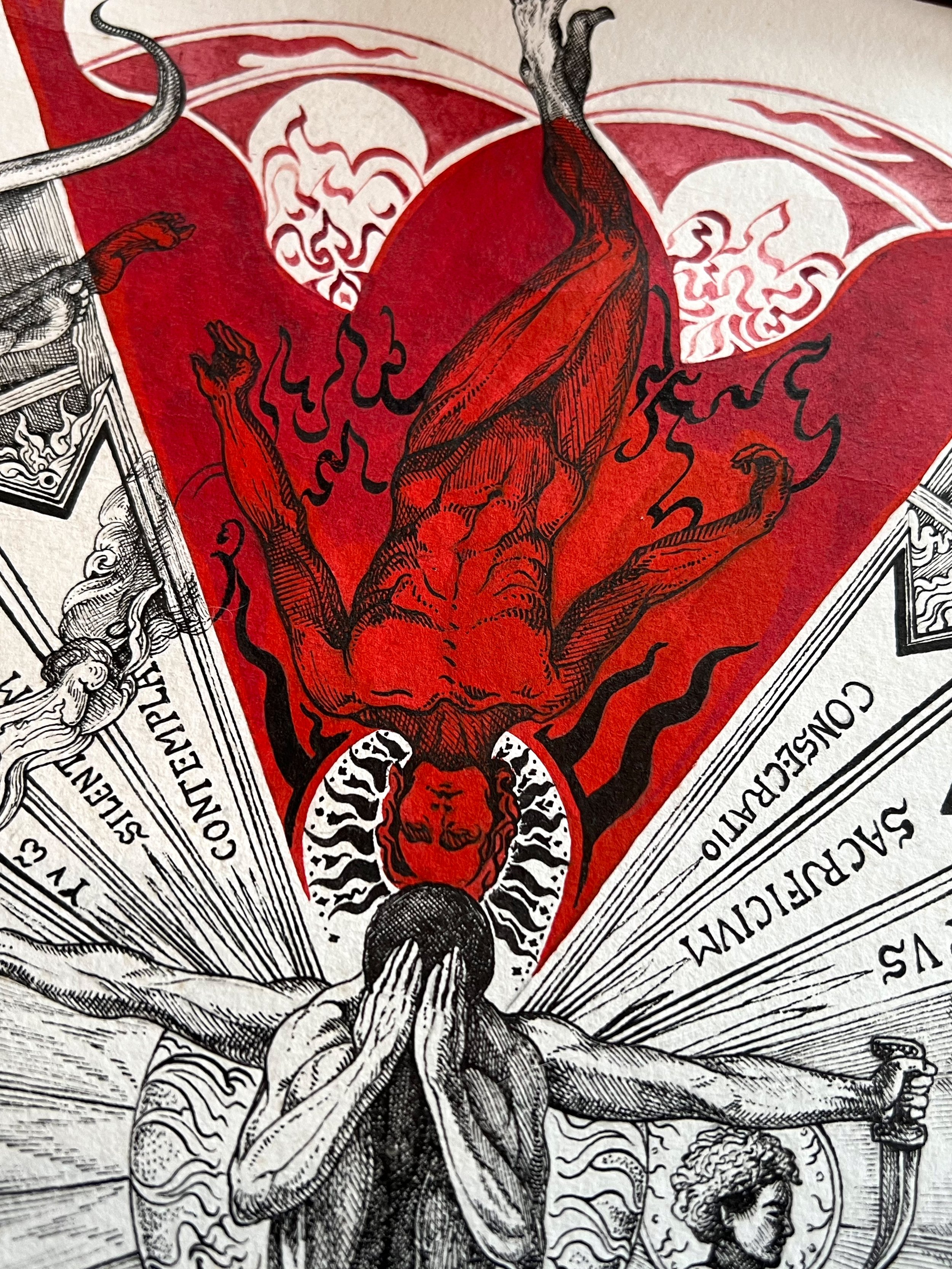
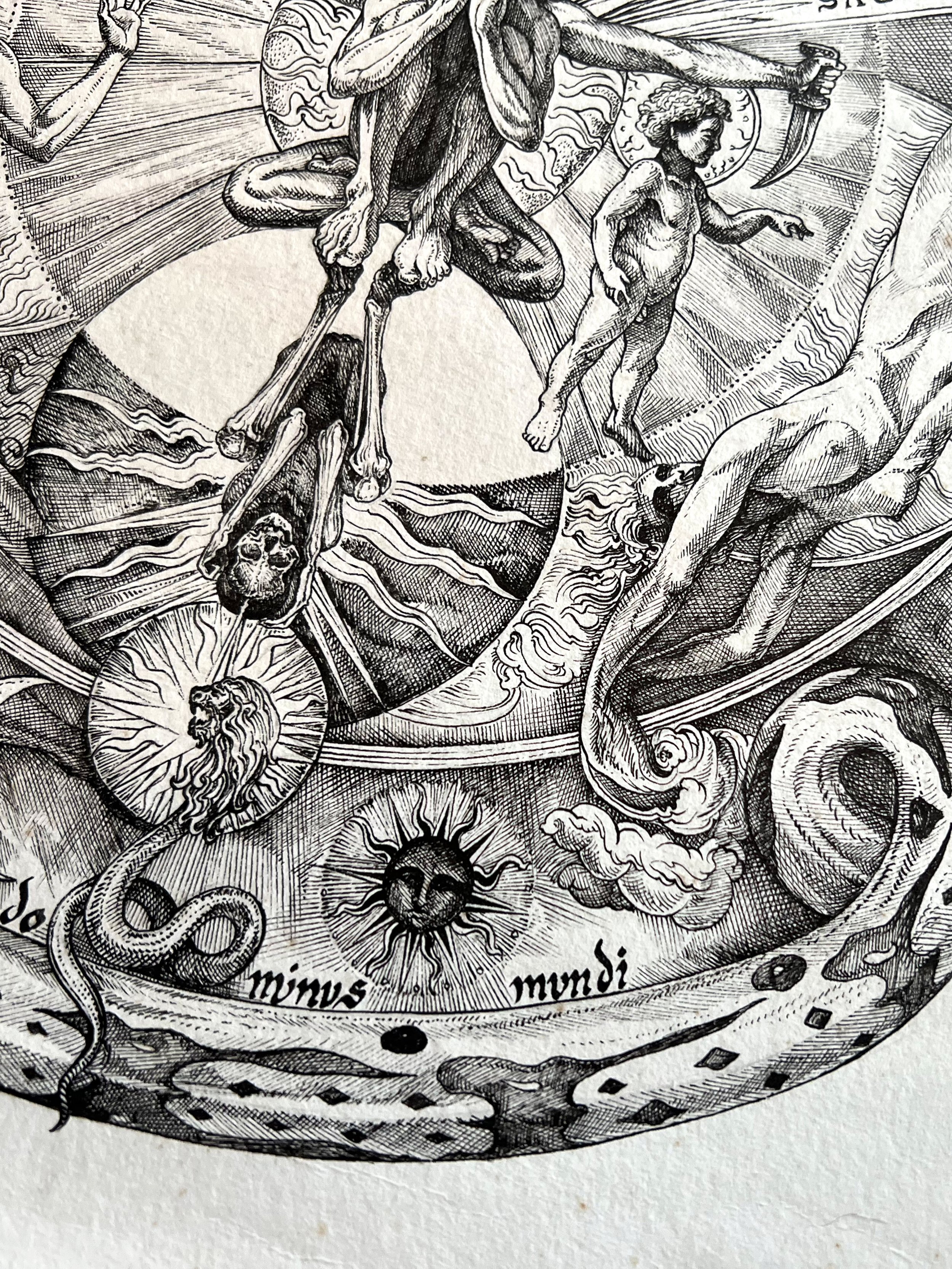
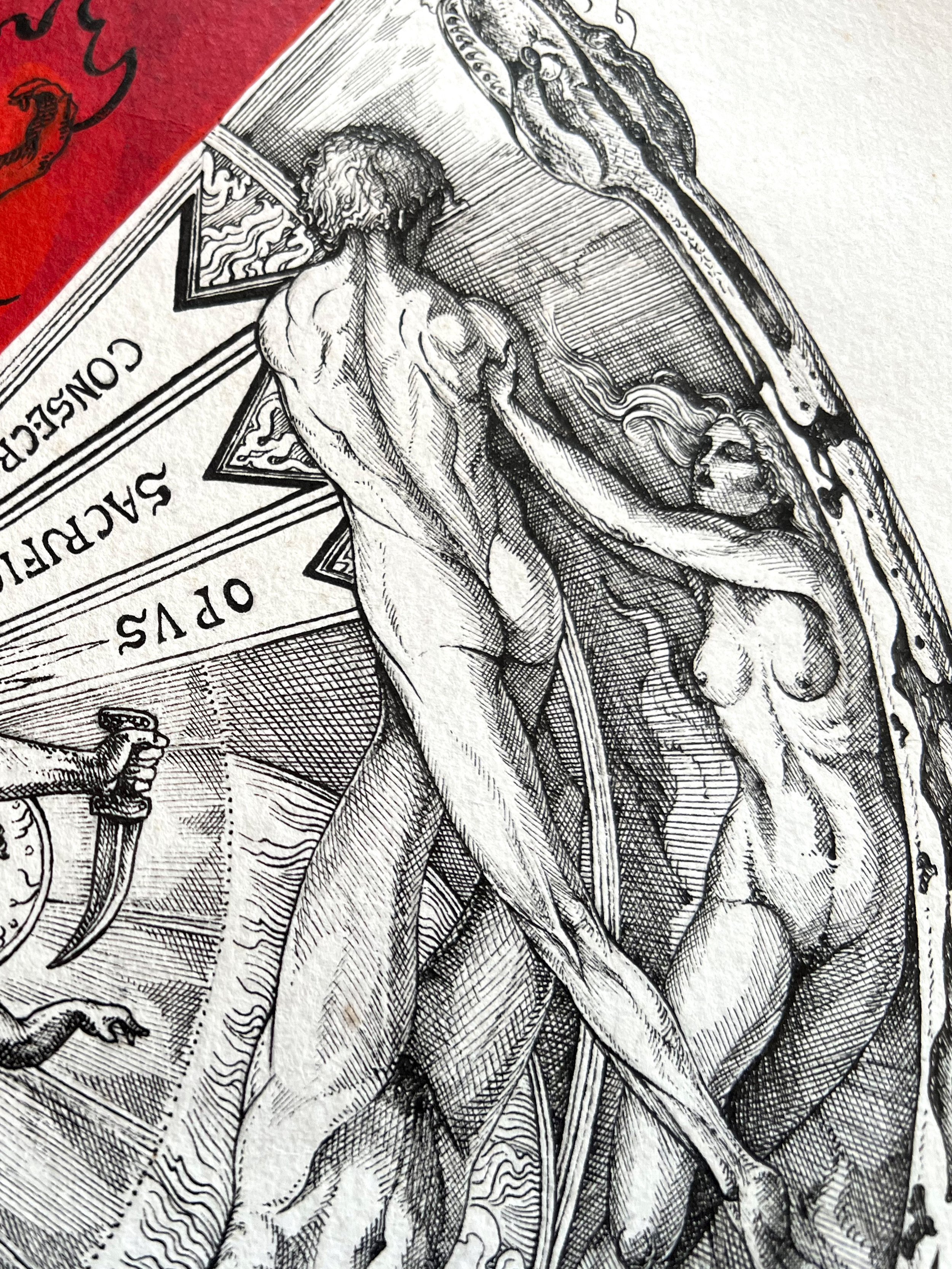
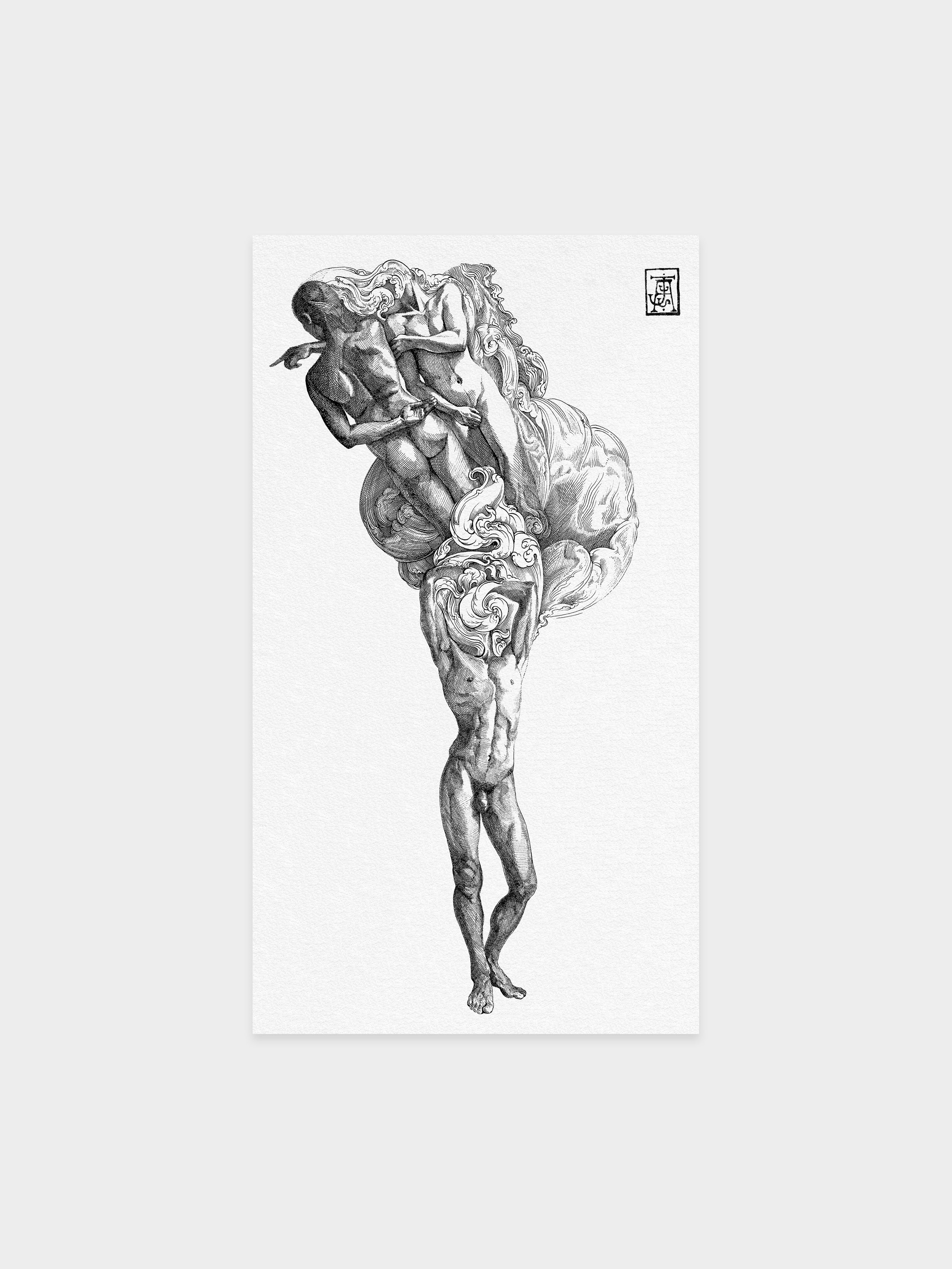
Basilides has been the Gnostic teacher largely attributed as the founder of Alexandrian or pagan streams of Gnosticism, while Simon Magus was considered to be the founder of the Judaic forms of Gnosis, by the polemical sources of their time: Irenaeus of Lyon, Hippolytus of Rome and Origen of Alexandria.
Basilides may have been Egyptian, and he was said to be the disciple of Glaucias, who, in turn, had been a disciple of Peter. As such, although considered a heresy, it was certainly one of the early expressions of Christianity. He has also been historically credited as the creator of the so-called Abraxas figure, later identified as the type of a rooster headed giant
with snake legs (for this attribution see: Chiflet, Jean. Joannis Macarii, Abraxas, seu Apistopistus. Antwerp: Balthasar Moretus, 1657.)
Hippolytus describes how Abraxas is the supreme archon ruling over 365 heavens, and he may have been responsible for the curious misspelling that took hold in later literature: the actual name found on gems and profusely in magical papyri is Abrasax.
But in my idealized portrait I consciously chose to follow the stream of this historiography and tradition.
*Sales protocol for these original pieces will be unique in that, after a purchase is made on our website, we will personally reach out to each customer to arrange a customized shipping plan, ensuring both parties are aligned on what can and cannot be done to guarantee safe and smooth delivery of the items.
[This piece has been featured in IAO: Ophite Iconography, p.93.]
Basilides has been the Gnostic teacher largely attributed as the founder of Alexandrian or pagan streams of Gnosticism, while Simon Magus was considered to be the founder of the Judaic forms of Gnosis, by the polemical sources of their time: Irenaeus of Lyon, Hippolytus of Rome and Origen of Alexandria.
Basilides may have been Egyptian, and he was said to be the disciple of Glaucias, who, in turn, had been a disciple of Peter. As such, although considered a heresy, it was certainly one of the early expressions of Christianity. He has also been historically credited as the creator of the so-called Abraxas figure, later identified as the type of a rooster headed giant
with snake legs (for this attribution see: Chiflet, Jean. Joannis Macarii, Abraxas, seu Apistopistus. Antwerp: Balthasar Moretus, 1657.)
Hippolytus describes how Abraxas is the supreme archon ruling over 365 heavens, and he may have been responsible for the curious misspelling that took hold in later literature: the actual name found on gems and profusely in magical papyri is Abrasax.
But in my idealized portrait I consciously chose to follow the stream of this historiography and tradition.
*Sales protocol for these original pieces will be unique in that, after a purchase is made on our website, we will personally reach out to each customer to arrange a customized shipping plan, ensuring both parties are aligned on what can and cannot be done to guarantee safe and smooth delivery of the items.
Original: 2019
Dimensions: 24 cm x 29.5 cm (9.5” x 11.6”).
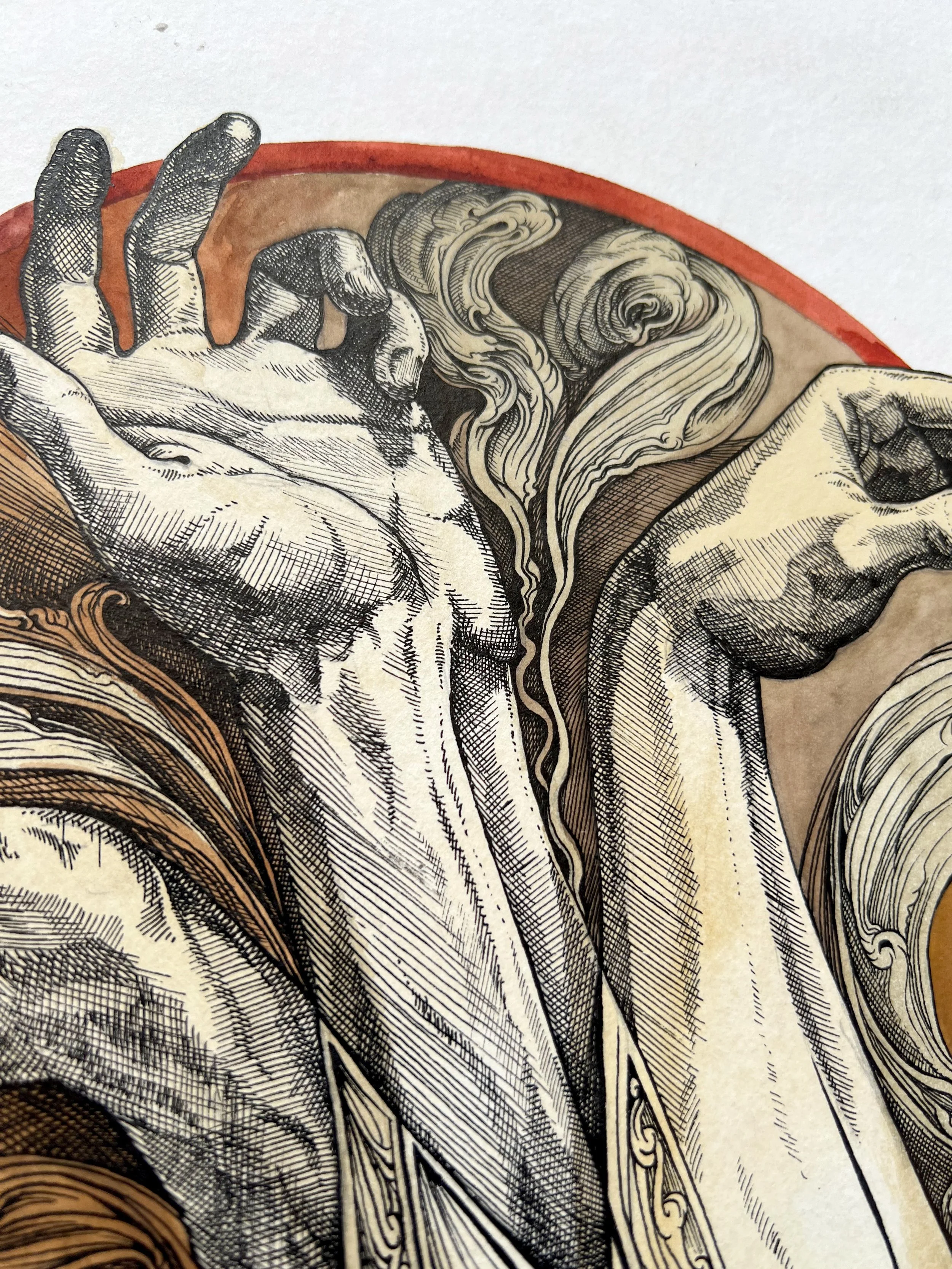
Materials: All pieces are ink and watercolor on Hanhemühle bamboo paper 250mm. Seal ink is composed of cinnabar and castor oil. We strongly encourage you to keep the paper out of direct sunlight and humidity.
Condition: These original artworks may show signs of spotting and minor stains due to the humidity in Peru, as well as from being poorly archived for a period of time. These imperfections are a natural result of their history and environment. *From now on: We strongly encourage you to keep the paper out of direct sunlight and humidity.
Shipping: These artworks must be shipped rolled in sturdy boxes or tubes and will need to be unrolled and flattened before framing.
*Each original artwork comes with Certificate of Authenticity signed by the artist and the publisher.